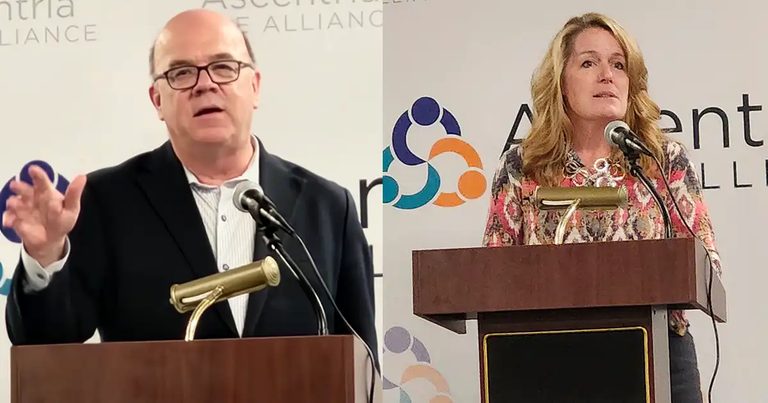
Worcester, MA – On Thursday, Nov. 5, staff from Ascentria Care Alliance and a group of foster parents gathered at a press conference to demand an immediate pause on deportation orders affecting immigrant youth placed in the city’s only foster‑care program for unaccompanied refugees and illegal immigrants. The gathering came just after the midterm elections, a time when Democrats are set to take control of Congress in January.
Local program under pressure
Ascentria runs the sole Massachusetts foster‑care network for children who arrived without a parent. Speakers warned that immigration judges have begun issuing removal orders even for teens who already hold Special Immigrant Juvenile (SIJ) status – a classification Congress created in 1990 to protect children who have suffered abuse, abandonment or neglect.
“I never thought they’d come for the kids,” said Angela Bovill, Ascentria’s president and CEO. She added that federal funding for the organization’s legal‑assistance program has been repeatedly cut this year, leaving families without vital support.
Legal backdrop
Attorney Angela Snyder explained that SIJ children must first receive a finding from a state juvenile or probate court that returning home would not be in the child’s best interest, followed by approval from U.S. Citizenship and Immigration Services (USCIS). Because of visa backlogs, many approved youths wait years before they can apply for a green card.
Historically, USCIS automatically considered “deferred action” – a temporary shield from removal – for approved SIJ children while they awaited visas. However, a policy memo issued by USCIS on April 10, under the Trump administration, ended that practice, stating that deferred action would no longer be granted automatically. The administration argues the change is intended to enforce immigration law consistently.
Impact on families
Since the policy shift, judges have begun ordering removal for SIJ youths, and the asylum office has reportedly moved interviews forward, further complicating families’ situations. Snyder described the trend as a “system‑wide degradation of the benefits available to these youth.”
Data from the Shoestring newspaper show that Massachusetts immigration courts ordered 62 unaccompanied children deported last month and held 168 hearings for minors between August and October.
Grace, a foster parent who has cared for a child since 2020, recounted the anxiety her son feels after receiving a removal notice. “Am I safe yet?” he asked on the morning after the election. “Not yet, baby. We’re not there yet. But we have hope,” she replied.
Political response
U.S. Rep. Jim McGovern (D‑Mass.) condemned the administration’s approach, calling it “depraved” and citing Acacia Center for Justice figures that show removal order rates for unaccompanied children rose from 28% under the previous administration to 48% in 2025 and 69% in the first eight months of 2026.
McGovern announced plans to work with the new Democratic‑controlled Congress, the judiciary, and oversight committees on hearings and legislation to restore funding for legal services and to protect these children while their humanitarian claims are processed.
He also noted that four Republican colleagues have reached out to discuss bipartisan cooperation on the issue, stating, “When it comes to kids, I mean, this should be a no‑brainer.”
Looking ahead
The incoming Congress convenes on Jan. 3, 2027. Ascentria and local advocates hope that newly restored legal‑service contracts and potential legislative safeguards will halt the wave of removal orders and provide work permits for the affected youth while they await permanent status.
Original reporting: This Week in Worcester — read the source article.