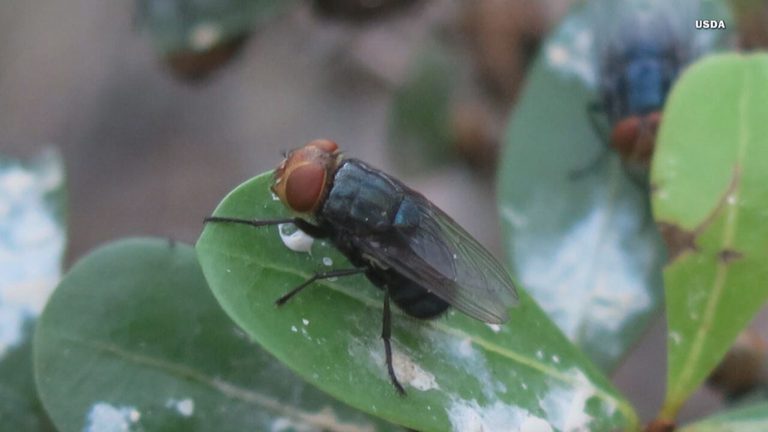
TYLER, Texas – Texas Parks and Wildlife officials say the start of deer season on Saturday, November 7, provides a rare opportunity to monitor the resurgence of New World screwworm in the state’s wildlife. The department recorded roughly 36 new cases last month and an additional two dozen since the beginning of November, a rise that officials view as a positive sign that surveillance efforts are working.
Why deer season matters
During the rutting season, white‑tailed deer are more likely to fight and shed antlers, creating open wounds that attract the screwworm, which feeds on living tissue. Newborn fawns are also vulnerable. Historically, the last major outbreak in Texas during the 1950s and 1960s devastated about half of the state’s deer population, prompting researchers to use deer as a sentinel species for tracking the parasite.
Although no infections in deer have been reported yet this year, the hunting season will bring more field observations, allowing biologists to spot any emerging infestations quickly.
How officials are fighting the parasite
The primary tool used by Texas Parks and Wildlife to curb the screwworm is the release of sterilized flies that cannot reproduce. This sterile‑male technique has been a cornerstone of the state’s eradication program for decades.
Researchers at Texas A&M University are testing a new method that uses electron beams to sterilize flies in seconds. While the approach has not yet undergone peer review, the U.S. Department of Agriculture notes that the technology still requires validation before widespread deployment.
What hunters can do
Hunters who suspect a deer may be infected are urged to report their findings immediately. Reports can be made by calling 512‑389‑4505 or by contacting the county biologist for Texas Parks and Wildlife.
By combining increased field observations during deer season with ongoing sterile‑fly releases and emerging sterilization technology, state officials hope to keep the screwworm threat under control and protect both wildlife and the broader ecosystem.
Original reporting: KLTV 7 Tyler (news) — read the source article.