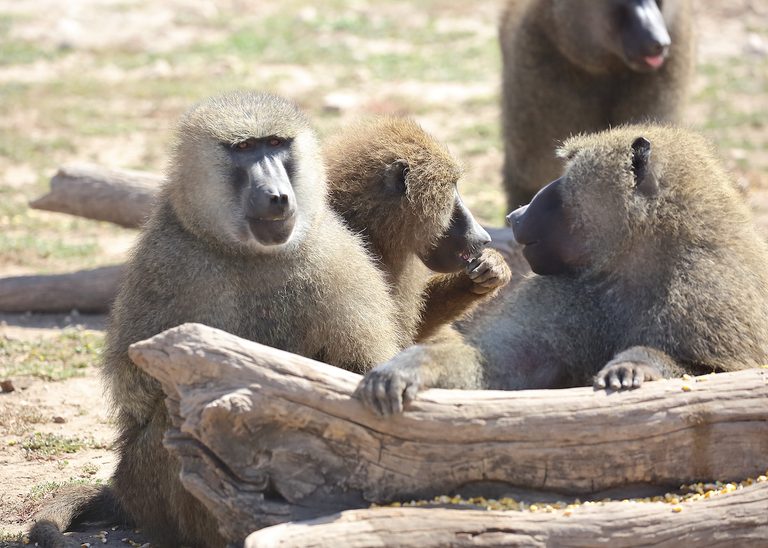
By leveraging a $200,000 grant from the San Antonio Medical Foundation, a team of local scientists is set to study the brains of aging baboons at Texas Biomedical Research Institute’s Southwest National Primate Research Center. The goal: to pinpoint the earliest molecular changes that precede Alzheimer’s disease, a neurodegenerative condition that currently affects about 7.4 million Americans age 65 and older.
Why baboons?
“Baboons have brains that are remarkably similar to ours,” said Adam Salmon, associate director of the Sam and Ann Barshop Institute for Longevity and Aging Studies at UT Health San Antonio. “Studying them gives us a chance to see what’s happening at the cellular level before symptoms appear in people.”
Beyond amyloid and tau
For decades, researchers have focused on two proteins—beta‑amyloid plaques and tau tangles—as hallmarks of Alzheimer’s. While these markers appear years before cognitive decline, scientists admit the picture is incomplete. “It’s unclear to what degree the amyloids are causative or an end product,” noted Eric Vallender, associate director for research at Texas Biomed’s primate center. “There’s a lot of other stuff happening in the brain.”
The new study will collect tiny brain tissue samples from senior baboons and apply spatial proteomics, a cutting‑edge technique that maps proteins within tissue sections. Researchers will also conduct cognitive tests on the animals and measure blood biomarkers, allowing a direct comparison between molecular changes in the brain and the clinical tools used to diagnose Alzheimer’s in humans.
Potential impact on early detection
Kimberley Phillips, a psychology professor at Trinity University who collaborates on the project, emphasized the importance of glial cells—support cells in the brain—in neurodegeneration. “Understanding their role could open new pathways for early intervention,” she said.
Current diagnostic practices typically wait until patients show noticeable memory loss, even though the disease process begins long before. Earlier detection could enable treatments that slow progression, such as the FDA‑approved drugs Leqembi and Kisunla, which target beta‑amyloid plaques but cannot reverse damage.
Looking ahead
Salmon added that preserving mitochondrial function—the energy factories of cells—might also protect cognitive abilities. “If you could preserve those cells and preserve their function, you’re going to preserve cognitive function,” he explained.
The pilot study will run for one year, after which the team hopes to secure additional funding for expanded research. Success could pave the way for new biomarkers and therapeutic targets, offering hope to the many families in South Texas who face one of the nation’s highest Alzheimer’s rates.
Community relevance
By keeping the research rooted in San Antonio, the project underscores the region’s growing role in biomedical innovation. Local residents, caregivers, and faith‑based groups are encouraged to stay informed as breakthroughs emerge, reinforcing the community’s commitment to health, family, and the dignity of every individual.
Original reporting: San Antonio Report — read the source article.