Red River and surrounding communities are experiencing an unprecedented surge in bear activity, a trend officials link to the extreme drought that has gripped much of New Mexico this year. The New Mexico Department of Wildlife (NMDOW) says the lack of moisture and higher temperatures have forced bears to descend from higher elevations in search of food and water, bringing them into closer contact with people.
According to Taos News, the department opened 46 bear‑related complaints in Taos County as of Oct. 2, and Sgt. Jayme King, a conservation officer, estimates that a little over 20 bears have been euthanized in the county this year. Statewide, NMDOW records show 312 bears euthanized because of human‑bear conflict – the highest number on record – and a total of 339 depredation kills as of Nov. 3, plus an additional 63 road or other kills.
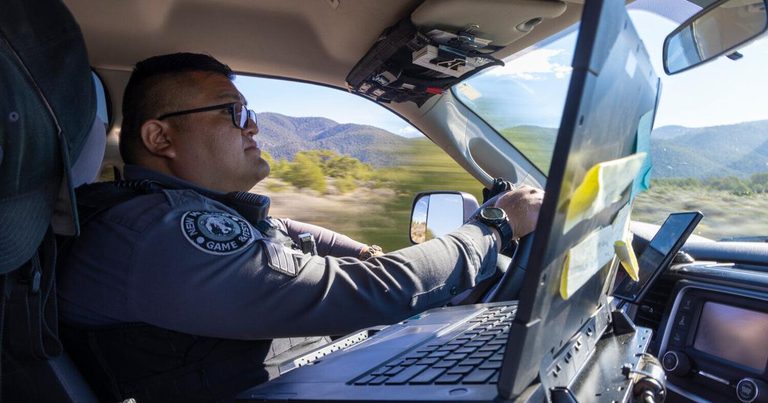
King described his daily routine on an Oct. 10 ride‑along, noting that his district stretches from the Colorado‑New Mexico border south to Velarde and Peñasco, east to Red River and Valle Escondido, and west to Ojo Caliente and El Rito. On that crisp October morning in San Cristóbal, he set a bear trap baited with plantain chips, chocolate‑covered espresso beans and blueberry‑ and bacon‑flavored syrups – “whatever I can get from the grocery store,” he said. The trap was one of three he set that day.
Human‑bear encounters have risen dramatically across the state, with reports of bears climbing trees, entering yards, drinking from birdbaths, breaking into vehicles and rummaging through garbage cans. Darren Vaughn, communications director for NMDOW, told Taos News that the influx is directly tied to the drought’s impact on natural food sources at higher elevations.
When bears become habituated to human food sources, officials follow strict criteria for euthanasia. King explained that bears that repeatedly return after hazing, buckshot deterrence, or other non‑lethal measures meet the requirements for removal. Hazing can include shooting rubber bullets or creating loud noises to discourage the animal.
In addition to removal, the department is working to prevent future conflicts. Vaughn emphasized the public’s role in securing trash and eliminating attractants, stating, “The Department’s priority is to keep bears alive and prevent them from becoming habituated to people.”
The department also maintains a “meat list” of potential buyers for bears that are euthanized or found dead, aiming to avoid waste. King noted that meat typically sells for around $20, though many prefer deer or elk. If the carcass cannot be sold quickly, it is left in a secluded forest area to decompose naturally for scavengers.
With an estimated black‑bear population of about 9,000 statewide, officials say continued education and proactive measures are essential to protect both residents and wildlife as the drought persists.
Sources: taosnews.com