Santa Barbara city leaders are turning to local churches and other faith‑based groups to help solve the city’s growing homelessness crisis. The 2026 City and Faith Leader Summit, held this week, gathered municipal officials, clergy, and community organizers to share progress and explore new ways to assist people living in vehicles.
Councilmember highlights partnership potential
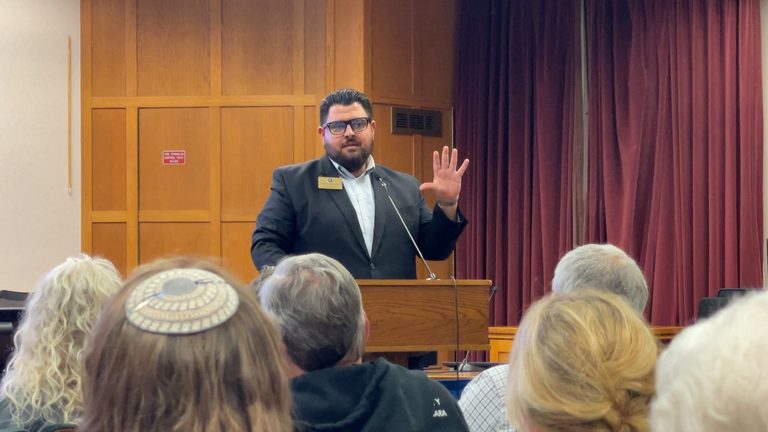
City Councilmember Oscar Gutierrez said the summit was an opportunity to bring together “multi‑faith organizations” that share a common belief in helping the poor, needy, and homeless. “We are government officials, and we share that mission,” Gutierrez told attendees. He noted that many congregations own land and parking lots that sit idle at night, which could be repurposed for safe‑parking locations.
Safe‑parking as an actionable solution
Rich Applebaum, a board member of the Community Liberation Organization (CLUE), emphasized that safe‑parking is the most immediate need. “A high percentage of the homeless are living in cars and recreational vehicles,” Applebaum said. “Faith organizations have land, they have parking lots which are often unused at night.” He urged the city to identify additional sites where people can park safely, access sanitation facilities, and receive outreach services.
Land resources owned by churches
Gutierrez pointed out that faith‑based organizations collectively own “thousands of acres” throughout Santa Barbara. He suggested that some of this property could serve as long‑term sites for addressing homelessness, providing both shelter and a pathway to permanent housing.
Faith leaders welcome the collaboration
Reverend Jeannette Love echoed the sentiment, saying the effort reflects a shared responsibility rooted in religious teaching. “Religion teaches us that we are all one,” she said, adding that congregations are ready to play a larger role in community outreach and connecting individuals with resources.
Next steps for the city
Organizers said the summit marks a crucial step toward developing sustainable, long‑term solutions. The city plans to work with faith groups to map available land, assess parking lot suitability, and coordinate with service providers to ensure safe‑parking sites include access to hygiene stations, waste disposal, and case‑management support.
Community impact
By leveraging the existing assets of churches and other faith‑based organizations, Santa Barbara hopes to reduce the number of people forced to sleep on streets or in unsafe conditions. The partnership model also reinforces the city’s commitment to a compassionate, faith‑inspired response that aligns with traditional family values and the dignity of every individual.
As the city moves forward, officials will continue to engage faith leaders, nonprofit groups, and residents to refine the safe‑parking plan and explore additional avenues—such as temporary shelter hubs and job‑training programs—to help those experiencing homelessness transition to stable housing.
Original reporting: KEYT (Ventura/Santa Barbara) — read the source article.