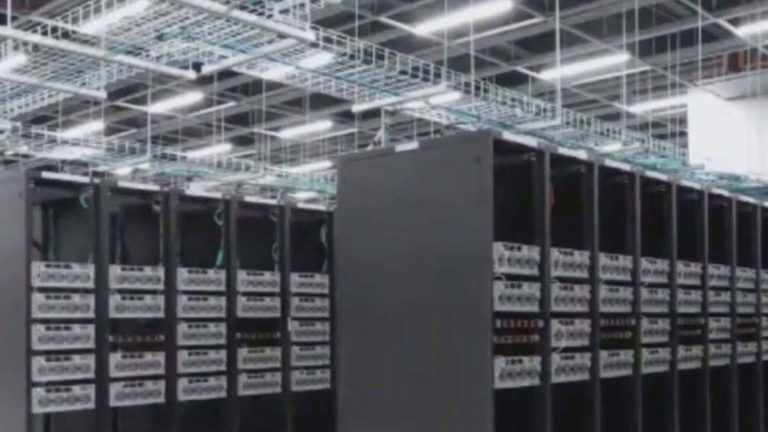
DETROIT – In the wake of the November midterm elections, Democrats who now control both houses of Congress are moving quickly to tighten regulations on data‑center construction. Lawmakers argue that new facilities strain the power grid, threaten public safety and could cost jobs, and they are proposing a one‑year pause on building additional centers.
National push meets local concerns
The proposed moratorium would apply nationwide, but its impact is already being felt at the community level. Voters in dozens of jurisdictions across the country approved local ballot measures this week to delay or ban new data centers because of noise complaints and rising utility rates. Those grassroots actions echo the federal agenda and signal broad public unease about the rapid expansion of high‑energy facilities.
AI industry’s pre‑emptive steps
AI firms are not standing idle. OpenAI announced a new series of data‑center commitments, promising to cover the full cost of electricity and infrastructure at its sites while rolling out additional environmental protection measures. The company says the steps are designed to address both regulatory pressure and community concerns about energy consumption.
Brent Yax, CEO of Awecomm, echoed a similar sentiment, noting, “We are always looking to protect people—energy, water, and communities. I hope we see sensible regulations, not a blanket moratorium that would slow economic development.”
What the legislation could look like
Experts consulted by FOX 2 suggest the upcoming bills may resemble state‑level rules already in place in Illinois and California, which limit how large tech firms can exploit regulatory gaps. Proposed measures include mandatory safety frameworks, stricter noise standards, and requirements for Big‑Tech CEOs to testify before congressional committees.
AI specialist Joe Tavares warned, “We expect legislation that prevents larger companies from taking advantage of the leeway they’ve had in AI for the past few years.” The emphasis on safety and community impact aligns with the administration’s broader agenda to ensure that emerging technologies grow responsibly.
Political context
The push for tighter data‑center rules is part of a larger Democratic effort to assert control over technology policy after their midterm victory. While the party frames the measures as protecting consumers and the environment, critics argue that the proposals could hinder innovation and job creation in the tech sector.
Republican leaders have not yet offered a detailed counter‑proposal, but they have signaled opposition to any blanket moratorium that could “slow down economic development.” The debate is expected to continue through the coming weeks as committees draft the specific language of the bills.
Implications for the AI industry
If enacted, the moratorium could delay the rollout of new AI‑driven services that rely on massive computing power. Companies may need to invest more in existing facilities, improve energy efficiency, or seek alternative locations with less regulatory scrutiny.
For now, AI firms are positioning themselves as proactive partners in the regulatory conversation, hoping to shape rules that balance safety, environmental stewardship, and continued growth.
Looking ahead
Stakeholders on both sides agree that the conversation about data‑center expansion is far from over. As Congress works on the details, local communities will likely continue to voice concerns through ballot measures and public hearings. The outcome will shape how the United States balances cutting‑edge AI development with the practical needs of neighborhoods and the national power grid.
Original reporting: Warren | FOX 2 Detroit — read the source article.