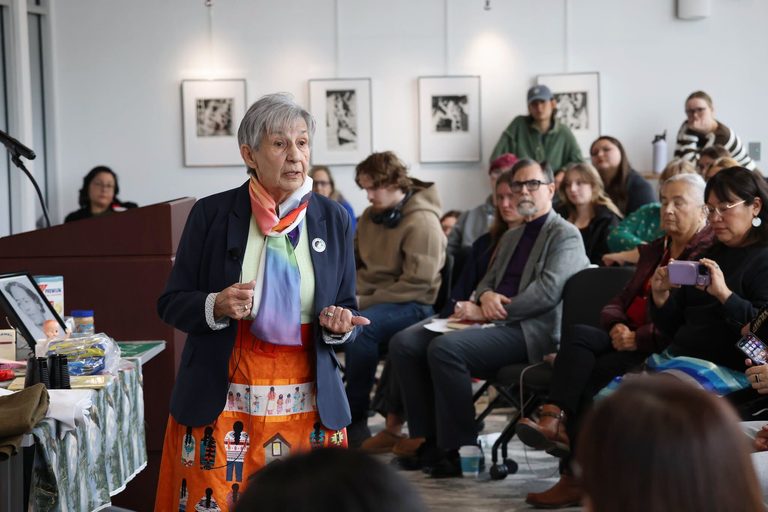
On Thursday morning, Minot State University hosted Dr. Ramona Klein, a survivor of the Fort Totten Boarding School, to recount her personal journey and the broader legacy of Native American boarding schools.
Survivor’s story
Klein was taken to the school at age seven and spent four years there, from 1954 to 1958. She explained that her parents had no choice in the matter, reflecting the forced nature of the federal boarding‑school system that affected thousands of indigenous children.
“There were thousands of us, and there will be thousands of stories. Each one of us had a different experience,” Klein said, emphasizing the diversity of trauma and resilience among survivors.
Positive memories amid hardship
Among the many challenges, Klein highlighted a bright spot: her first‑grade teacher, Miss Thelma Daggs, the first African American educator at Fort Totten. Klein recalled learning “life lessons” from Daggs, noting that this positive relationship still influences her today.
“That experience still impacts me today, and it gives me a passion to make sure that the world knows about it,” Klein added.
Impact on today’s students
Students listened attentively as Klein described how the boarding‑school system continues to affect indigenous communities across generations. Lisa Hale, coordinator of the Minot State Native American Cultural Center, urged the audience to recognize the historical reality and its lasting effects.
“I hope the students will listen and learn that boarding schools did happen here in America, and the lasting effects that they do have on the native indigenous community,” Hale said.
From survivor to advocate
After leaving Fort Totten, Klein pursued a career in education, teaching in public and private schools as well as universities. She now serves as vice president of the National Native American Boarding School Healing Coalition, working to support survivors and promote healing.
Klein’s forthcoming book, Teaching Heart, chronicles her journey from boarding‑school survivor to education leader. The memoir is slated for release in the spring of next year and is currently available for pre‑order.
Community significance
The event underscores Minot State’s commitment to fostering understanding of indigenous history and supporting healing initiatives. By giving a platform to survivors like Dr. Klein, the university helps ensure that the painful chapters of American history are not forgotten.
Original reporting: KFYR-TV Bismarck (news) — read the source article.