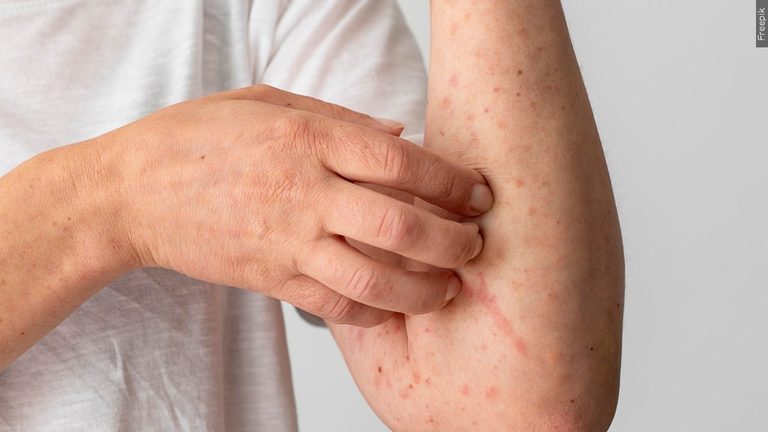
Christian County health officials announced Thursday that a resident has tested positive for measles after being exposed in a neighboring Missouri county. The case was confirmed by the Christian County Health Department, which immediately began contact tracing to identify anyone who may have been in close contact with the patient.
Contact tracing and public guidance
Investigators are notifying individuals who were potentially exposed and advising them to monitor for symptoms for 21 days from the date of exposure. Anyone who develops fever, rash, cough, or other signs of measles should isolate immediately and contact a health agency before seeking care at a clinic or hospital. Early notification allows medical staff to implement infection‑control protocols and use separate entrances to protect other patients.
Local officials stress vaccination
“With this case, we can no longer view measles as a disease of faraway places or the distant past,” said Christian County Health Administrator Aaron Winslow. “It has arrived in our community. While it appears that this case will not ignite a community outbreak, we may not be so fortunate next time. The best way to prevent community outbreaks and spare us from the negative health and economic impacts seen in other states is to achieve community immunity through vaccination.”
Winslow added that the swift response of state and local public‑health teams is expected to keep the situation contained, but he warned that complacency could lead to larger outbreaks in the future.
Measles facts and vaccine recommendations
Measles is an airborne virus that spreads when an infected person coughs, sneezes, or even breathes. The virus can remain suspended in the air and stay infectious on surfaces for up to two hours after the infected person leaves a room. Unvaccinated individuals are highly vulnerable; the virus can transmit to nine out of ten unvaccinated people in close contact.
Complications from measles can be severe, including pneumonia, encephalitis (brain swelling), and death. Infants too young for vaccination, pregnant women, and immunocompromised individuals face heightened risks.
The Centers for Disease Control and Prevention (CDC) and the Missouri Department of Health and Senior Services (DHSS) recommend that children receive two doses of the measles‑mumps‑rubella (MMR) vaccine: the first between 12 and 15 months of age and the second between ages four and six. Two doses provide about 97% protection against infection. Unvaccinated adults who have not previously received the vaccine are eligible for catch‑up immunizations.
How to get vaccinated
Residents with questions or concerns can contact the Christian County Health Department at 417‑581‑7285. County‑level vaccination data are available through the state health department website at health.mo.gov/measles. The health department encourages anyone who is unsure of their vaccination status to schedule an appointment promptly.
While officials do not expect a widespread outbreak from this single case, they emphasize that continued vigilance and high vaccination rates are essential to protect the community’s health and avoid the economic disruptions that can follow larger disease outbreaks.
Original reporting: KY3 Springfield (local) — read the source article.