In a video address released Thursday, Paraguayan President Santiago Peña said he was stepping down to preserve political stability and protect the nation’s democratic institutions. He expressed regret to Paraguayans but did not admit personal responsibility for the recent banking turmoil.
Unanimous impeachment vote follows banking collapse
Minutes after Peña’s announcement, the Chamber of Deputies convened an extraordinary session and voted 78‑0 to advance impeachment charges against the president. The motion was prompted by a wave of demonstrations after the sudden failure of Ueno Bank, a major digital lender that claimed to serve more than 60% of the country’s adult population.
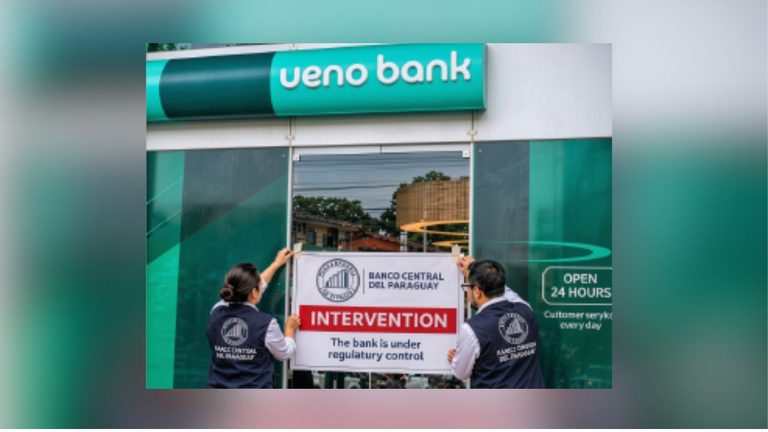
Ueno’s collapse left roughly three million customers without access to savings, wages, and pension payments, prompting protests in Asunción. The Central Bank of Paraguay intervened on November 3, launching a formal resolution process after the lender’s financial statements showed a solvency ratio well below the legal minimum.
Central bank steps in to protect depositors
Regulators have begun deposit‑guarantee payments to an initial group of depositors whose balances do not exceed 10 million guaraníes and who have no outstanding debt to the bank. The statutory guarantee covers up to 228.3 million guaraníes per depositor per institution, though the central bank has not promised full recovery of amounts above that limit.
Authorities also detained eight former Ueno executives and have charged 27 individuals in connection with the collapse, according to La Nación. While charges have been filed, the investigations have not yet established guilt.
Political fallout and succession plans
The impeachment accusations, filed by 35 lawmakers, allege conflicts of interest and raise questions about the handling of public funds tied to Ueno. Peña’s business ties to Grupo Vázquez, the bank’s ownership group, ended in March 2025, and he had previously asked the central bank president, Carlos Carvallo, to resign.
The lower‑house vote sends the case to the Senate, where a two‑thirds majority would be required to convict under Paraguay’s constitution. Congress is also expected to address Peña’s resignation and the succession of Vice President Pedro Alliana, who would serve the remainder of the term through August 2028.
Impact on Paraguay’s financial system
Ueno held roughly $800 million in public deposits, including funds linked to Paraguay’s pension and health systems. While the central bank stresses that the problem is isolated to Ueno and not a systemic banking failure, the loss of access to such a large share of the population’s savings has raised concerns about financial stability.
As the resolution process continues, the government’s priority remains protecting depositors and restoring confidence in the banking sector. The situation remains fluid, and further updates will be provided as new information becomes available.
Original reporting: The Dallas Express — read the source article.