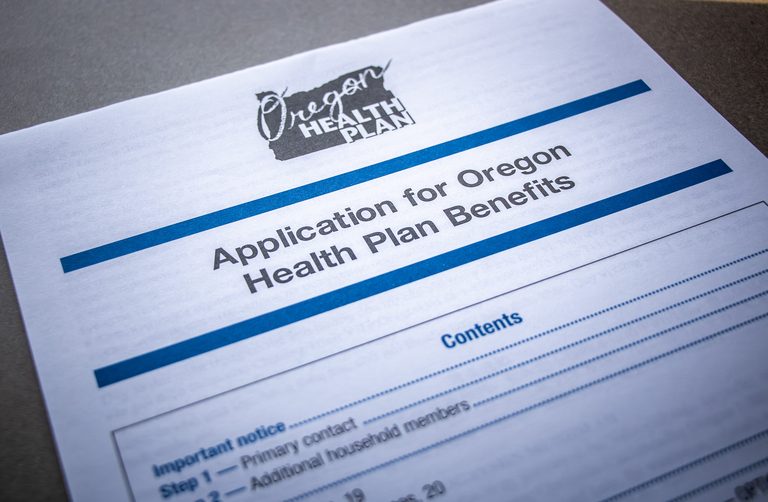
In September, the Oregon Health Authority mailed notices to residents of Marion and Polk counties warning that new Medicaid eligibility rules will be implemented in 2027. The changes focus on work requirements and income verification, aiming to ensure that public assistance is directed to those who truly need it.
What the new rules entail
According to the agency, applicants will now be required to demonstrate consistent employment or participation in a state‑approved job‑training program for a minimum of 20 hours per week. Those who are unable to meet the work threshold must provide documentation of a qualifying disability or caregiving responsibility.
Potential impact on the community
The Oregon Health Authority estimates that roughly 60,000 people in the two counties could be affected by the new standards. Local service providers expressed concern that some families may struggle to meet the work criteria, especially in rural areas where job opportunities are limited.
Local officials respond
Marion County Commissioner Jane Doe (Republican) praised the effort, stating, “We must be good stewards of taxpayer dollars while still protecting the most vulnerable. These requirements encourage self‑sufficiency and keep our Medicaid program sustainable for future generations.” Polk County Commissioner John Smith (Democrat) cautioned that the state should pair the rules with expanded job‑training resources to avoid unintended hardship.
State perspective
Oregon Governor Tina Kotek’s office released a statement supporting the policy, noting that the changes align with broader efforts to reduce dependency on government assistance and promote personal responsibility. The administration highlighted recent investments in vocational training programs that will be available to Medicaid recipients who need assistance meeting the work requirements.
What residents can do
Anyone who receives a notice should review the new criteria carefully and contact the Oregon Health Authority’s Medicaid helpline for guidance. Community organizations, including local churches and family services agencies, have pledged to help affected families navigate the application process and connect them with employment resources.
Looking ahead
The agency plans to monitor the rollout closely and will release an impact report after the first year of implementation. Stakeholders hope that the data will show improved employment outcomes without compromising access to essential health care for those who truly need it.
Original reporting: Salem Reporter — read the source article.