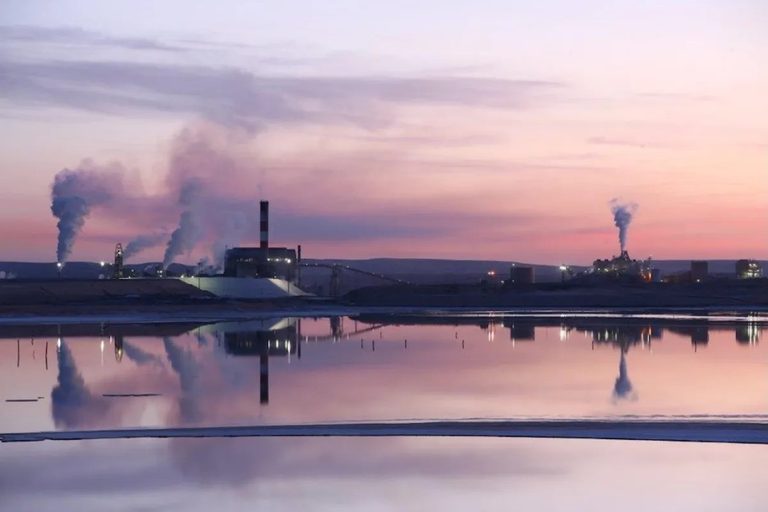
Wyoming’s largest soda ash producer, WE Soda, said it will convert its Westvaco underground mining operation to an in‑situ solution‑recovery method. The change, which relies on drill‑and‑pump technology rather than traditional labor‑intensive mining, will result in the loss of about 350 jobs over the next two years.
Why the shift?
In a press release, the London‑based company explained that the move is intended to “strengthen the long‑term competitiveness of the company’s Wyoming operations” amid “significant impact which low‑cost Chinese soda ash exports have had on the pricing of American soda ash in export markets.” The transition will also reduce annual soda ash output by more than 1.5 million metric tons, cutting export sales that are no longer commercially viable.
Local reaction
United Steelworkers Local 13214 representative posted on social media that workers were “blindsided” by the announcement and pledged to protect as many jobs as possible. Union President Marshal Cummings warned that the cuts could devastate families, force residents to leave the area, and weaken the southwest Wyoming economy, where roughly 2,500 workers earn decent wages in the trona and soda ash sector.
State officials respond
Governor Mark Gordon and Governor‑elect Eric Barlow issued a joint statement promising a coordinated response through the Department of Workforce Services, state unemployment insurance staff, and Western Wyoming Community College. They said they will make resources available to displaced workers and their families and have reached out to local and statewide union leaders to discuss the issues affecting their members.
Industry context
WE Soda CEO Alasdair Warren told WyoFile in September that the industry faces “headwinds” from a flood of low‑cost Chinese soda ash, requiring producers to find efficiencies. He noted that past downturns typically resolved within 18 months, but the current slump has persisted for four years and is expected to continue for at least another couple of years.
Soda ash, derived from Wyoming’s abundant trona deposits, is the state’s top export commodity, generating roughly $1.3 billion annually. It is a key ingredient in glass, toothpaste and numerous industrial products.
Calls for policy action
Cummings argued that the company’s challenges are not solely market‑driven, pointing to high railroad freight rates and trade policies that favor foreign producers with lower labor and environmental standards. He urged the U.S. Surface Transportation Board to consider rate reductions and called for a level playing field in international trade.
Republican State Senator Tara Nethercott also criticized Rocky Mountain Power for not expanding power supply to the industry, warning that “the future of Wyoming is in jeopardy because we are unable to grow.”
Future plans
WE Soda says the transition to solution mining is more cost‑efficient and will allow the company to focus on domestic markets—United States, Canada and Mexico—while still serving specialty product customers globally. The firm pledged to offer alternative roles within the business to minimize job losses.
The Wyoming Energy Authority recently recommended a $13 million Energy Dominance fund grant to connect a natural‑gas pipeline to the Westvaco site, helping the company shift from coal to natural gas for its boilers. Governor Gordon has not yet decided whether to approve the grant.
What’s next?
Layoffs are slated to begin in January, and the company will work with state agencies to provide training and placement assistance. Community leaders stress the importance of preserving Wyoming’s soda ash industry for future generations while protecting the families that have long supported it.
Original reporting: Oil City News (Casper WY) — read the source article.