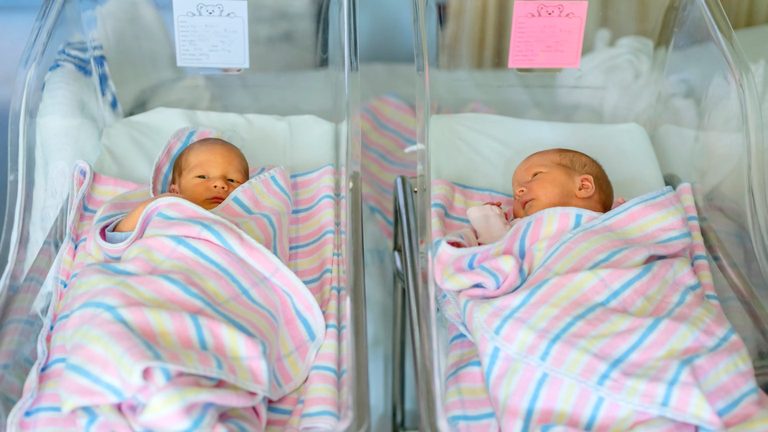
When Dr. Thomas Patterson began his nearly 30‑year career caring for newborns in Idaho, parents rarely declined the vitamin‑K shot that protects infants from life‑threatening bleeding. Today, he says the refusal rate has risen sharply, with half of the babies in a recent shift leaving the hospital without the injection.
National data confirm a growing trend
Researchers at the Children’s Hospital of Philadelphia published a study in JAMA that analyzed more than 5.2 million health records from the Epic Cosmos database. The data show that the percentage of newborns who did not receive a vitamin‑K injection rose from 3.1 % in 2017 to 6.8 % in 2025 – more than a two‑fold increase. Between 2024 and 2025 alone, the rate climbed about 20 %.
Lead author Dr. Kristan Scott, now an assistant professor of pediatrics at Children’s Healthcare of Atlanta, called the findings “evidence that more babies are not receiving vitamin K, and more babies are at risk of bleeding.” The study also linked the lack of vitamin‑K to a 47 % higher chance of any bleeding event in the first six months of life and a more than two‑fold increase in brain‑bleeding and death during the birth hospitalization.
Why vitamin‑K matters
Newborns are born with very low stores of vitamin K, a nutrient essential for blood clotting. Without the intramuscular injection given shortly after birth, infants can develop vitamin‑K deficiency bleeding (VKDB), a condition that can cause severe brain hemorrhage, intestinal bleeding, or fatal outcomes. The Centers for Disease Control and Prevention reports that about one in five infants with VKDB die, and survivors often face lifelong complications such as cerebral palsy or the need for shunts to manage brain pressure.
Dr. David Hill, a spokesperson for the American Academy of Pediatrics, emphasized that “vitamin K is absolutely critical for our livers to make the clotting factors that help our blood clot.” He warned that when bleeding is recognized, it is often too late to prevent serious damage.
Local doctors hear the impact
Dr. Patterson, who works in a newborn nursery in southwestern Idaho, recounted a recent shift: “One day this year I had ten babies and five of them left the hospital without vitamin K.” He has heard from colleagues across the state about infants admitted to neonatal intensive‑care units with brain bleeds after their families declined the shot. While he cannot provide exact mortality numbers, he estimates at least two to three deaths linked to the refusal.
Reasons parents decline the injection
Physicians say several misconceptions fuel the refusals. Some parents point to the FDA’s black‑box warning, which applies to high‑dose intravenous vitamin K given to adults, not the small intramuscular dose newborns receive. Others mistakenly view the injection as a vaccine or fear that the preservative could harm their child. A minority cite concerns about “trauma” from the needle.
Dr. Hill clarified, “It has nothing to do with vaccines. It is a naturally occurring vitamin that we all need.” He urged parents to discuss any worries with a trusted pediatrician before making a decision.
What families can do
Medical experts recommend that parents talk openly with their healthcare provider about the benefits and risks of the vitamin‑K shot. The injection has been standard care in the United States since the early 1960s and has a strong safety record. By accepting the shot, families protect their newborns from a preventable, potentially fatal condition.
As Dr. Heather Burris, a neonatologist and study co‑author, noted, “When you don’t get vitamin K today, we see very similar rates to what bleeding rates were before the routine administration of vitamin K.” The study’s authors hope their findings will encourage more parents to choose the proven protection for their infants.
Looking ahead
The Idaho pediatric community, along with national health leaders, plans to increase education efforts aimed at dispelling myths and reinforcing the importance of the vitamin‑K injection. With continued awareness, the goal is to reverse the upward trend and safeguard the health of newborns across the country.
Original reporting: Brookhaven News – ABC7 New York — read the source article.