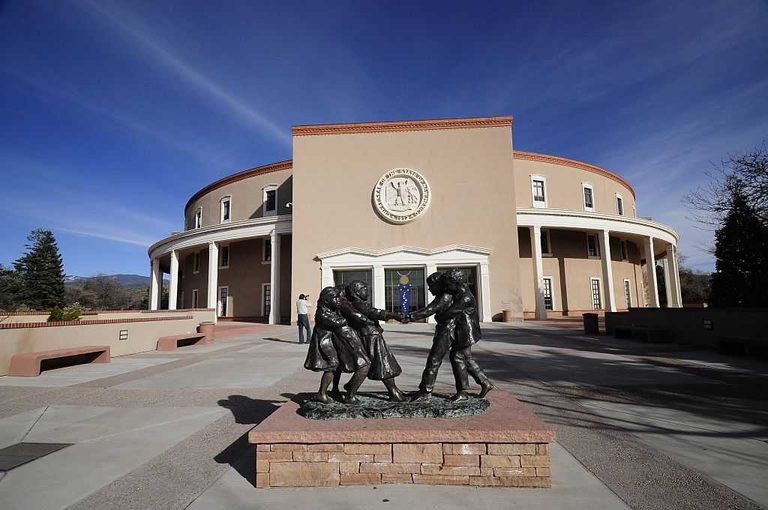
New Mexico voters have taken a historic step toward professionalizing their legislature. In the November 2026 election, roughly 63% approved a constitutional amendment that replaces the long‑standing per‑diem system with a fixed salary based on the state’s median household income.
Salary figures and funding source
The amendment sets the annual salary for each legislator at about $67,800, a figure derived from the state’s current median income. This amount is notably higher than the national average legislative salary of just under $48,000. The state’s General Fund will cover the new expense, which is projected to exceed $7.5 million each year once the salaries take effect.
Implementation timeline
Although the amendment passed in 2026, the salary schedule will not begin until the 2029 legislative session. This delay gives the General Fund time to adjust and allows lawmakers the option to opt out of the salary if they choose.
Legislative leadership’s perspective
Speaker of the House Javier Martinez expressed optimism about the long‑term impact of the measure. “I’m hopeful that it passes, not so much for us currently in office, but for the generations to come because this wouldn’t go into effect for another several years,” Martinez said. He framed the amendment as an investment in future public servants who will be able to serve without relying on per‑diem reimbursements.
Why the change matters
For decades, New Mexico’s lawmakers received only per‑diem payments for days spent in session or on committee work. Critics argued that the system discouraged qualified citizens from running for office, especially those with families or full‑time jobs. By establishing a stable salary, the state aims to broaden the pool of candidates, strengthen legislative expertise, and align compensation with the cost of living.
Public reaction and next steps
Supporters of the amendment highlighted the need for a more professional legislature that can attract talent from across the state. Opponents raised concerns about the added burden on taxpayers, noting the $7.5 million annual cost. However, the amendment’s passage indicates that a clear majority of voters view the investment as worthwhile.
State officials will now work with the budget office to integrate the new salary line into the General Fund’s long‑range financial plan. Lawmakers who wish to decline the salary can submit a formal request, and the legislature will track any opt‑outs as part of its transparency efforts.
Looking ahead
With the amendment set to take effect in 2029, New Mexico joins a growing number of states that pay their legislators a full salary rather than relying on per‑diem reimbursements. Observers will watch how the change influences candidate recruitment, legislative productivity, and overall public confidence in state government.
Original reporting: KOAT Albuquerque — read the source article.