In a story that highlights the ingenuity of Montana’s youth, 13‑year‑old Rye Lynn Rost from Baker Junior High captured national attention this week. Competing against nearly 2,000 middle‑school students from across the United States, Rost earned second place in the technology category of the Thermo Fisher Scientific Junior Innovators Challenge held in Washington, D.C.
From kitchen experiments to a national stage
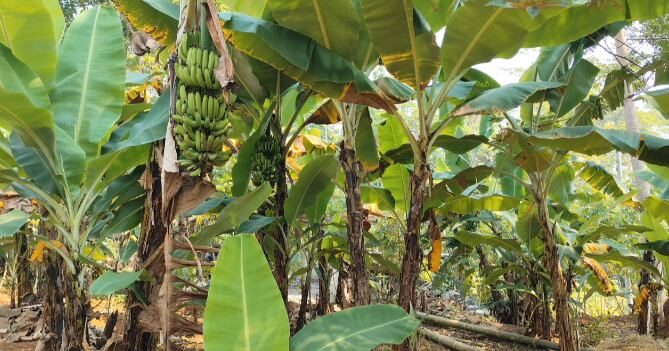
Rost’s project focused on creating biodegradable plastics using starches extracted from bananas and plantains. After extensive testing, she found that the plantain‑based formula produced the strongest, most durable material, stretching farther before breaking than the banana‑based version.
“The hardest part was last year because it wasn’t working out, and I was really discouraged and just kind of wanted to give up,” Rost said. “But my mom helped me keep going.” Her perseverance paid off, earning her a $2,500 award for the research and a $1,000 STEM grant for Baker Junior High.
Impact on the local community
The achievement has resonated throughout eastern Montana, showcasing the potential of hands‑on science education in small‑town schools. Teachers at Baker Junior High have praised the district’s commitment to STEM programs, noting that the grant will fund additional lab equipment and student workshops.
School principal John Miller remarked, “Rye’s success is a testament to what our students can accomplish when they have the support of dedicated educators and families. We’re proud to see a Baker student leading the way in innovative, environmentally‑friendly research.”
Why biodegradable plastics matter
Traditional single‑use plastics contribute significantly to landfill waste and environmental pollution. Biodegradable alternatives, like the ones Rost is developing, break down more quickly and can reduce the long‑term impact on ecosystems. While her formula is still in the experimental stage, it demonstrates a promising direction for future commercial applications.
Environmental groups have welcomed the attention, noting that youth‑driven research can accelerate the adoption of greener materials. However, experts caution that large‑scale production will require further testing to ensure durability and cost‑effectiveness.
Looking ahead
Rost plans to continue refining her plantain‑based plastic and hopes to present her findings at upcoming science fairs. She also aims to inspire other students in Baker and beyond to explore sustainable solutions to everyday problems.
“If I can show that something as simple as a banana can become a useful material, maybe other kids will think about how they can help the planet too,” she said.
The recognition of a local teen on a national platform underscores the value of community support, strong family involvement, and a faith‑based commitment to stewardship of God’s creation.
Original reporting: KFYR-TV Bismarck (news) — read the source article.