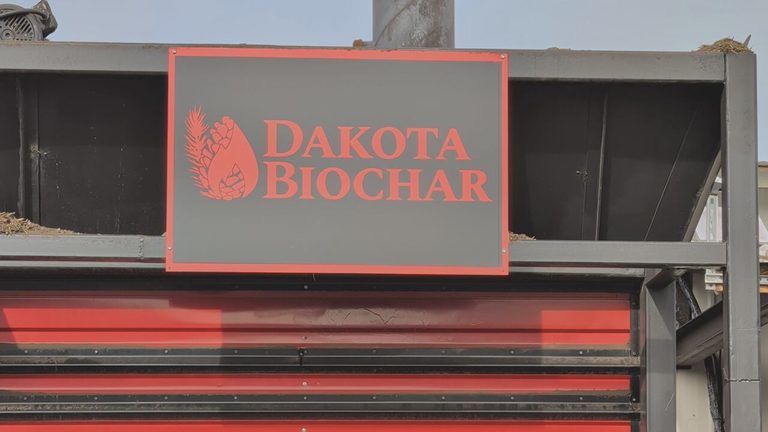
Rapid City officials have launched a pilot project to determine whether biochar, a material made from wood waste, can help reduce herbicide contamination in the city’s municipal compost. The effort is a partnership with local company Dakota BioChar, which supplies the biochar for testing.
Why the test matters
City solid waste education and outreach coordinator Ria Hannon explained that the compost has been contaminated with herbicides for the past four to five years, limiting its suitability for garden use. The city continues to sell the compost at a nominal price of one cent per pound, but residents are warned not to apply it to gardens or broadleaf plants until the pilot’s results are known.
How the pilot works
Dakota BioChar will provide biochar that will be mixed into a test batch of compost. The city will compare plant growth in pots containing the biochar‑amended compost against growth in untreated compost. Initial trials may include tomatoes and basil grown in small containers in Hannon’s office window. Hannon expects an early indication of the results by next spring.
About Dakota BioChar
Dakota BioChar creates biochar through pyrolysis, a process that heats wood with minimal oxygen. Company controller Brad Walton described grinding the wood before feeding it into reactors. CEO and founder Justin McNeal noted that the company faces technology challenges in scaling efficient production. Currently, the firm processes roughly 8,000 tons of wood feedstock annually at a demonstration site in Rockerville, producing about 1,600 tons of biochar. Plans are under review for a larger operation that could handle 20,000 tons of feedstock and yield around 4,000 tons of biochar each year.
Context and next steps
The pilot follows a December 2025 windstorm that increased the city’s wood debris, prompting officials to explore ways to divert bulky material from landfills and preserve capacity. Public Works Director Mike Theis has previously highlighted that such diversion could delay costly landfill expansions and help keep resident rates stable. A proposed memorandum of understanding between the city and Dakota BioChar would outline future collaboration, though any larger projects would require separate agreements and funding.
For now, the city’s guidance remains unchanged: residents should continue to avoid using the municipal compost in gardens or on broadleaf plants until the biochar trial’s findings are released.
Original reporting: KOTA (Gray) – local — read the source article.