Joliet, Montana – After a unusually warm winter sparked early flower blooming, a sudden spring freeze killed many of those blossoms, and a lingering drought limited the remaining nectar sources, local beekeepers are confronting a financially painful year.
Sunshine Apiary feels the sting
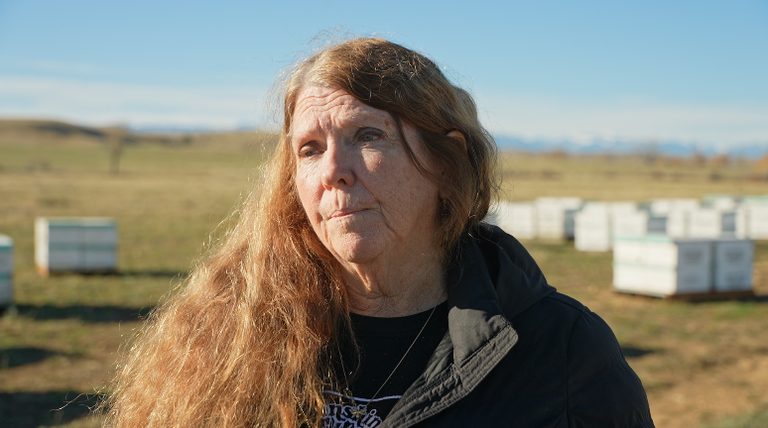
Patty Sundberg, who runs Sunshine Apiary near Columbus, estimates her operation will finish the season about $500,000 under projected earnings. “We’re a one‑generation business that started from scratch,” Sundberg told MTN. “Some of these are five generations long, and they’re making the decision, are we going to keep it going? Are we just going to stop?”
The warm winter caused flowers to bud early, only for many to die when a late‑season freeze arrived. Drought conditions that followed further reduced the pollen and nectar that bees rely on for protein and energy.
Relocating hives adds expense
To keep her colonies alive, Sundberg moved more than 3,000 hives to North Dakota and South Dakota, incurring significant transportation costs at a time when fuel prices were already high. “Beekeepers in the United States are all putting in a lot of miles,” she said, noting this was only the second time in her 40‑year career she had to relocate bees during the summer.
Neighboring apiary faces similar challenges
Just down the road in Laurel, Spencer Drange of Drange Apiary reported moving about 2,000 hives from Broadview to Hysham in June – a distance of over 100 miles. “We just run on little trucks, so moving that many bees is quite expensive,” Drange said. “It’s definitely taken a big bite out of our profits.” The added costs forced Drange Apiary to raise honey prices by 20%, the first increase in seven years. “Everyone I’ve talked to or seen has raised prices this year,” he added.
U.S. honey market under pressure
According to the USDA, 82% of honey consumed in the United States is imported from countries such as India, Argentina, Vietnam, Brazil and Ukraine, up from 71% a decade ago. Both Sundberg and Drange emphasized the importance of supporting domestic honey producers, urging consumers to choose U.S.-produced honey to help local beekeepers stay afloat.
Looking ahead
Both apiary owners remain hopeful that better weather and lower fuel costs will ease the burden next season. “The big picture is people need to understand where their food comes from,” Sundberg said. “You have to be optimistic. Tomorrow’s going to be better, or you wouldn’t make it in ag.”
Original reporting: KTVQ Q2 Billings (local) — read the source article.