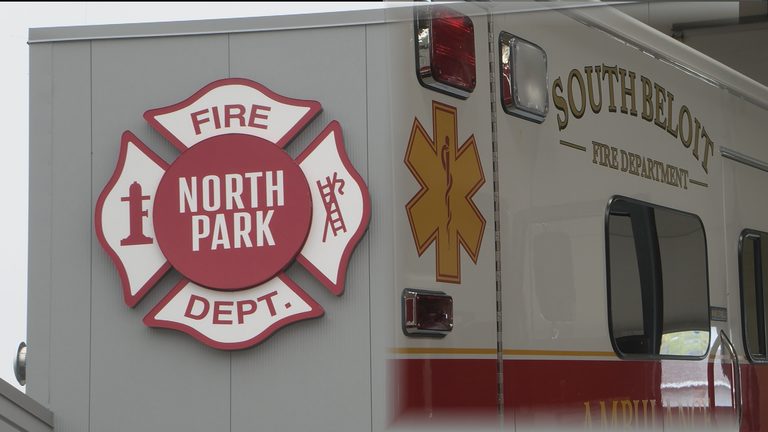
WINNEBAGO COUNTY, Ill. – Fire chiefs in North Park and South Beloit are sounding the alarm over rapidly increasing costs for vehicles, gear and staffing that are stretching already‑tight municipal budgets. Both chiefs say the financial pressure threatens the ability to recruit and retain qualified firefighters and paramedics, and could force homeowners to shoulder higher taxes for essential emergency services.
North Park faces steep equipment and staffing bills
Interim Fire Chief Jay Alms of the North Park Fire Department explained that the price of a new fire truck now approaches $1 million, while a new ambulance costs roughly $300,000. “I used to buy ambulances for $75,000, but like everything, the cost of living is crazy,” Alms said.
To cut expenses, North Park recently consolidated three fire stations into a single location. Even with that consolidation, Alms estimates outfitting a single firefighter now exceeds $2,000, and staffing one ambulance costs more than $1 million per year.
Alms warned that the added cost could translate into roughly $10 extra per month for homeowners with a $100,000 property. “People just, they’re getting the service already, so they feel like, why should we pay more? We’re already getting the service, so we just don’t have the money to pay them what they deserve,” he said.
Voters have rejected a proposed ambulance tax in North Park about half a dozen times. The department remains hopeful that a future referendum will gain approval to fund a second ambulance.
South Beloit struggles with medical‑call volume and gear costs
Fire Chief Brian Kunce of South Beloit echoed the same concerns. Nearly three‑quarters of the department’s calls are for medical emergencies, and rising training standards and gear costs are eating into funds that could otherwise support wages.
South Beloit plans to allocate at least $400,000 annually to replace and maintain aging equipment. “The good old days when you had the volunteers that were local, you had enough manpower. That’s not the case anymore,” Kunce said.
Finding certified paramedics and EMTs has become increasingly difficult. “Ever since COVID, that challenge amplified terribly. Trying to get the people, they don’t want to be in that field anymore,” Kunce added. He warned that the next few years will be especially challenging for staffing.
Community support needed for sustainable emergency services
Both chiefs stressed that without sustainable funding from the communities they protect, maintaining certified crews will become untenable. They urged local officials and residents to consider the long‑term implications of under‑funded emergency services, including longer response times and reduced coverage.
As Winnebago County grapples with these budgetary pressures, the fire departments are seeking collaborative solutions that balance fiscal responsibility with the essential safety needs of their neighborhoods.
Original reporting: WIFR Rockford News First (local) — read the source article.