Residents of Tennessee and families of inmates are once again questioning the Tennessee Department of Correction (TDOC) after a medical emergency at Riverbend Maximum Security Prison was delayed by nearly twenty minutes. The delay occurred because prison employees did not know the mandatory security code required to release emergency responders onto the facility.
What happened on October 17
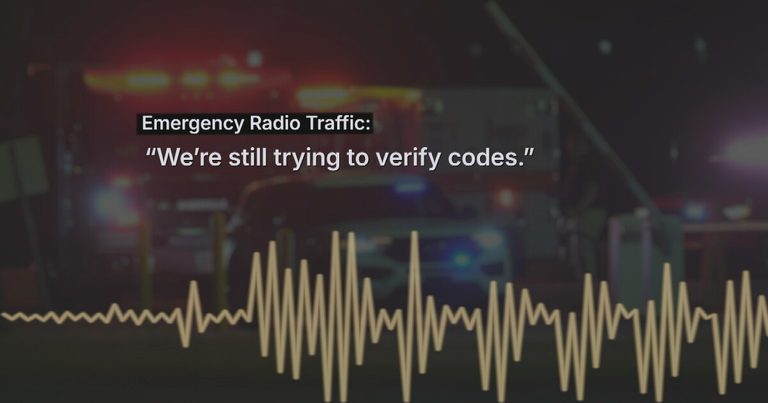
At about 9:00 a.m. on Saturday, October 17, a prison worker called 911 reporting an inmate in cardiac arrest. The dispatcher asked for the prison’s security code – a protocol designed to prevent false calls and protect first‑responders. The employee could not provide the code, stating, “We don’t know the codes. Give me a minute.” The dispatcher, frustrated, placed the call on hold while the employee searched for the correct code.
During the hold, the dispatcher was forced to listen to music for over a minute, then was placed on hold again when the employee asked for additional time. After a total of 19 minutes, the correct code was finally transmitted, allowing ambulance crews to proceed. By the time they arrived, the inmate, identified as 24‑year‑old Corrion Partee, had already been pronounced dead. The cause of death remains under investigation.
Why this matters
This incident follows a similar delay that occurred just two weeks earlier during the botched execution attempt of death‑row inmate Christa Pike. In that case, a TDOC administrator also failed to provide the required code, resulting in a 25‑minute wait for emergency services. Both events highlight a recurring gap in staff training and emergency‑response procedures at the state’s maximum‑security facilities.
TDOC’s brief response to media inquiries was limited to a single sentence: “I can only tell you that we are still reviewing the incident.” No concrete corrective actions have been announced, leaving families and the public without reassurance that such delays will be prevented in the future.
Community reaction
Local advocates for prison reform and families of inmates have expressed alarm at the repeated failures. They argue that the lack of knowledge about a basic security protocol endangers lives and undermines confidence in the state’s correctional system. Critics point out that the TDOC’s internal review, without transparent findings, does little to restore trust.
While the TDOC has not detailed any new training measures, the pattern of delays suggests a need for systematic changes, including regular drills, clear documentation of emergency codes, and accountability for staff who fail to follow established procedures.
Looking ahead
State legislators and oversight committees may seek to examine TDOC’s emergency protocols during upcoming hearings. The incidents underscore the importance of ensuring that correctional facilities are equipped not only to maintain security but also to protect the health and safety of inmates, staff, and first responders.
For now, the TDOC continues its internal review, and families await answers about what went wrong and how the department plans to prevent similar tragedies.
Original reporting: NewsChannel 5 WTVF (Scripps) – local — read the source article.