Springfield, Mo. – As September shattered a 1931 heat record and October followed a similarly warm trend, officials remind Missourians that winter’s snow, sleet and ice are on the way. To help families stay safe during the shortest days and coldest months, the State Emergency Management Agency (SEMA) and the National Weather Service (NWS) have declared Nov. 1‑6, 2026, Winter Weather Preparedness Week.
Why the warning matters
“While meteorologists tell us a strong to very strong El Niño winter is almost upon us, Missouri is in a transition zone, which makes it harder to forecast than in other parts of the nation,” said SEMA Director Jim Remillard. “But we know we will experience a Missouri winter – which means being prepared for sub‑freezing temperatures and dangerous snow and ice, along with hazardous driving conditions, the loss of power and heat in our homes.”
The Missouri Department of Health and Senior Services (DHSS) reports a sharp rise in hypothermia deaths, up by 26 cases from 2024 to 2025 – a 68 % increase. In total, 64 Missourians died in 2025 from prolonged exposure to cold weather. These figures underscore the need for families to keep several days’ worth of supplies, warm clothing, and emergency kits on hand.
Road safety concerns
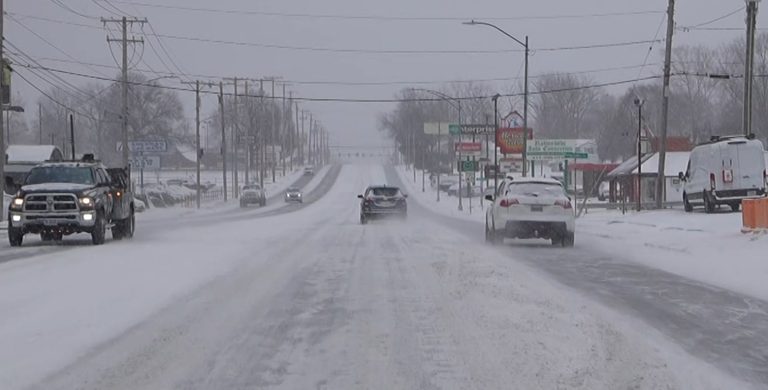
Preliminary data from the Missouri State Highway Patrol (MSHP) show more than 3,699 vehicle crashes in 2025 occurred during snow, sleet, hail or ice events, resulting in 656 injuries and nine fatalities. Officials stress that avoiding non‑essential travel during winter storms is the best way to stay out of danger and allow snow‑removal crews to clear roads more quickly.
If travel is unavoidable, drivers should check conditions in advance on the MoDOT Traveler Map (traveler.modot.org/map/), clear all snow and ice from windows and mirrors, buckle up, keep phones out of sight, and allow extra travel time. Reducing speed, increasing following distance, and staying in the vehicle with seat belts fastened if a breakdown occurs are also recommended.
Personal preparedness tips
- Dress in layers and keep warm outerwear in the vehicle, even for short trips.
- Carry a basic emergency kit with blankets, non‑perishable food, water, a flashlight, and a portable charger.
- Know the location of nearby warming centers; DHSS lists resources at health.mo.gov/hypothermia.
- Plan for power outages by having flashlights, batteries, and a manual can‑opener ready.
Remillard added, “I encourage residents to take extra precautions to protect themselves and their families. Remember, your plans should include several days’ worth of supplies.”
Community response
Local churches, charities, and civic groups have already begun stocking warming centers and distributing blankets to vulnerable neighbors. By working together, Missourians can mitigate the worst effects of the upcoming winter season.
For more information on winter safety, visit the SEMA website or call the state emergency hotline at 1‑800‑555‑HELP.
Original reporting: KY3 Springfield (local) — read the source article.