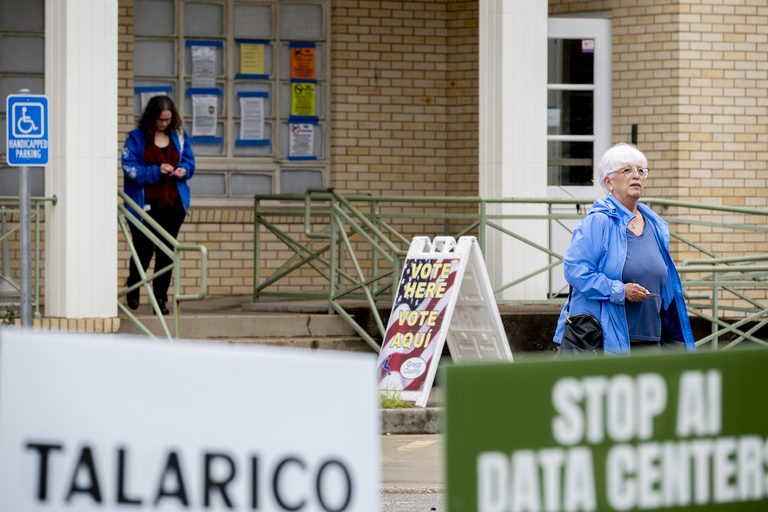
Texas voters have handed Democrat Gina Hinojosa the governor’s mansion, and she wasted no time outlining a sweeping plan for the state’s booming data‑center industry. In a video posted to X on Oct. 22, Hinojosa announced she will issue a moratorium – effectively a ban – on all data‑center approvals until the Legislature passes laws that protect Texans’ water supplies, electricity rates and give local communities a voice in project decisions.
Key components of the proposed safeguards
During her campaign, Hinojosa detailed several priorities she expects lawmakers to adopt:
- Require data‑center operators to hire union workers, bolstering good‑paying jobs for Texas families.
- Mandate water‑conservation measures and transparent reporting of water use, addressing concerns in a state facing chronic drought.
- Prohibit tax subsidies that she says cost the state billions in sales‑tax revenue, ensuring taxpayers are not shouldering the burden.
- Guarantee that electricity costs for Texans will not rise because of data‑center consumption.
- Ban nondisclosure agreements that hide project details from the public, fostering community oversight.
Hinojosa emphasized that economic development and community protections are not mutually exclusive, echoing a sentiment she shared with Politico in September.
Context: Abbott’s existing pause and industry response
Governor Greg Abbott, a Republican, began pausing data‑center approvals in August, first at the state grid level and then through the environmental permitting agency, to allow a comprehensive audit of water use, tax incentives and potential light‑ and noise‑pollution impacts. The audit, expected to run through December, also seeks to require data‑center operators to fund their own electrical infrastructure and adopt water‑efficient technology.
Industry supporters, represented by the Data Center Coalition, argue that data centers bring jobs, tax revenue and reliable digital infrastructure to the Lone Star State. Jess Heck, the coalition’s Texas government‑affairs director, said the industry remains committed to “advancing America’s digital infrastructure” while supporting “energy reliability and affordability.” He expressed optimism about working with state leadership and local officials to build trust and promote responsible growth.
Local opposition and broader implications
Grassroots opposition has risen across both red and blue counties, with residents worried about the massive power draw and unknown water demands of these facilities. Kathryn Guerra of Public Citizen highlighted “real anger in communities” and noted that the data‑center debate has become a clear election issue in Texas.
Data Center Watch’s analysis found that 43% of 74 gubernatorial candidates in 36 states supported a moratorium or ban, underscoring the growing national scrutiny of the industry’s environmental footprint.
What’s next for Texas?
Hinojosa will take office on Jan. 19 and will work with a Democrat‑controlled Texas House to craft the needed legislation. If successful, the state could set a precedent for balancing high‑tech economic growth with the stewardship of water resources and community rights.
Meanwhile, Abbott’s pause remains in effect while the audit concludes, and data‑center donors have contributed roughly $9 million to his campaigns since July 2025, according to the Texas Tribune. The outcome of Hinojosa’s proposed moratorium will likely shape the future of Texas’s position as a hub for artificial‑intelligence and digital infrastructure development.
Original reporting: Texas Tribune (HLL/CB) — read the source article.