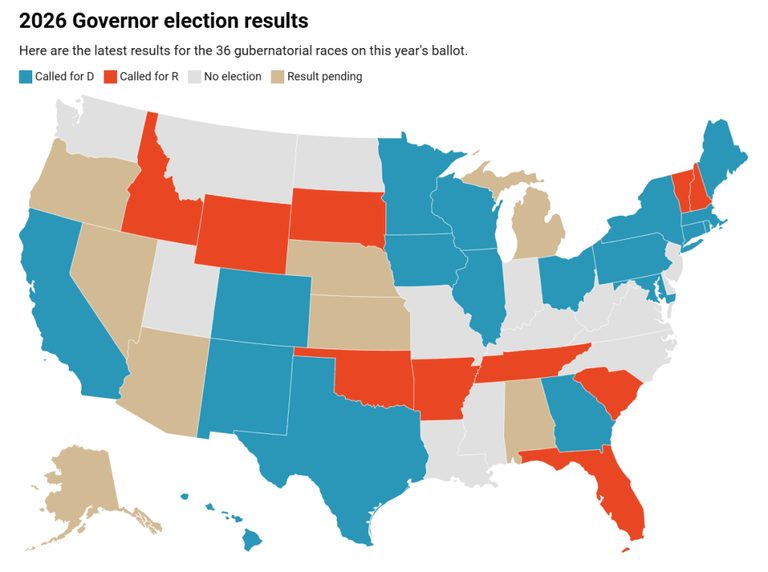
The 2026 midterm elections have produced a historic shift in state executive power. Democrats now hold a majority of the nation’s governorships, a change not seen since the 2010 election cycle. The party’s gains span the country, with flips in traditionally red states such as Texas, Iowa, Ohio and Georgia, while also defending competitive races in Maine and Wisconsin.
Texas Leads the Charge
In Texas, the Democratic ticket captured the governor’s office, a result that political science professor Mark Jones of Rice University described as a “blue wave” that exceeded expectations. Jones noted that President Trump’s policies have “single‑handedly turned many red states blue — or at least purple,” underscoring the national impact of the Trump administration’s agenda on voter sentiment.
Other State Victories
In Iowa, Democrat Rob Sand’s victory ends more than a decade of Republican control of both the legislature and the governor’s seat. Ohio elected Dr. Amy Acton, marking the first Democratic governor in the Buckeye State in 20 years. Former Atlanta mayor Keisha Lance Bottoms will become Georgia’s first Democratic governor since 2002.
Legislative Gains Accompany Executive Wins
Beyond the governor’s races, Democrats made significant inroads in state legislatures. By early Wednesday morning, they had broken the Republican supermajority in Florida, flipped the Wisconsin state Senate, and seized control of the North Carolina House. In Pennsylvania, Democrats captured the GOP‑held state Senate, securing a trifecta of control over the governor’s office and both legislative chambers.
Historical Firsts
The elections also produced two historic milestones: the nation’s first Black woman governor and the first Black Republican governor were both elected on Tuesday.
Implications for Policy
The new Democratic dominance at the state level could reshape policy agendas across a range of issues, from education and health care to tax and regulatory reforms. Critics of the Trump administration argue that the party’s recent losses reflect voter fatigue with the “MAGA” agenda, while supporters contend that the administration’s bold policies have energized the electorate and clarified the ideological stakes.
Looking Ahead
Political observers note that the real test now lies in how Democrats will wield this newfound power. “One of the real questions will be what do Democrats do with this power, and will they be able to retain it,” Jones said. The upcoming legislative sessions will reveal whether the party can translate electoral victories into lasting policy changes.
For voters and community leaders, the results underscore the importance of staying engaged at the state level, where decisions on schools, infrastructure, and public safety are often made. As the nation moves forward, the balance of power between the Trump administration’s federal agenda and state‑level Democratic initiatives will shape the political landscape for years to come.
Original reporting: The Connecticut Mirror — read the source article.