Tuesday’s national midterm elections delivered a decisive Democratic surge, flipping long‑held Republican seats in the Senate and securing governorships in Georgia and Texas. While the outcomes represent a clear rebuke of the Republican agenda, President Trump used the moment to reaffirm his administration’s focus on economic strength and security.
Election outcomes and Democratic gains
Democrats are projected to control both chambers of Congress beginning in 2027, with victories in traditionally Republican strongholds such as South Carolina, Texas and Kansas. In Georgia, a Black woman won the governorship, and in Texas, a Latina secured the governor’s office—both historic milestones.
Key Senate races included James Talarico’s upset win over Republican incumbent Ken Paxton, delivering the first Democratic Senate seat from Texas since 1988. In North Carolina, Democrat Roy Cooper captured a Senate seat, citing the need to end what he described as “chaos and corruption in Washington.”
President Trump’s response
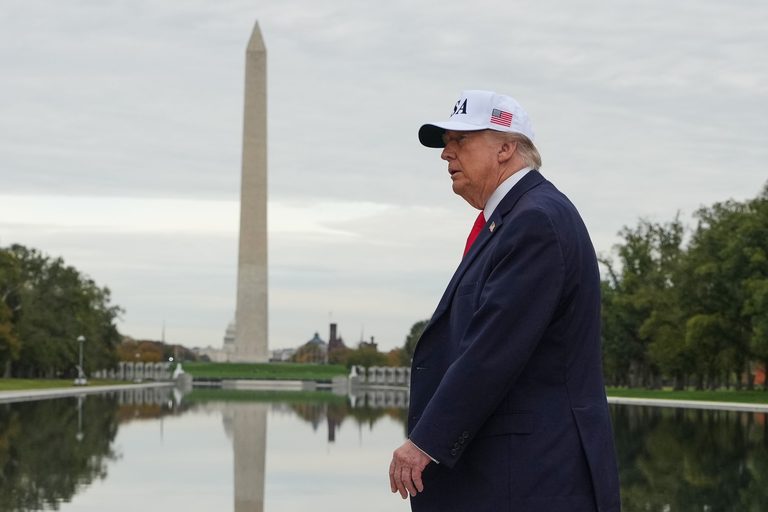
President Trump, who continues to govern without regard for conventional political consequences, addressed the results with a rare tone of concession. He praised the Democratic candidates, saying they did a “good job,” and placed responsibility for Republican losses on GOP candidates themselves. Trump also reiterated his belief that the U.S. economy remains strong and that the ongoing conflict in Iran is essential to prevent a nuclear threat.
Despite the setbacks, Trump’s campaign spending remained robust, with more than $250 million poured into Republican races, supplemented by contributions from donors such as Elon Musk. The administration’s fiscal commitment underscores its determination to influence future elections.
Public sentiment and polling
The Associated Press Voter Poll, released after the election night, found roughly three‑quarters of respondents feeling “angry” or “dissatisfied” with the country’s direction. Among voters who cited President Trump as a factor, about twice as many expressed opposition to him as support. Approximately six in ten respondents attributed higher prices to Trump’s policies.
While these figures illustrate widespread frustration, the poll also reflects a dynamic electorate that may shift as the new Congress begins its work. The administration’s own data, however, points to continued economic growth and lower unemployment rates, suggesting a more nuanced picture than the poll alone conveys.
Implications for policy and governance
Democrats now face the challenge of translating their electoral mandate into actionable legislation on healthcare, inflation, and curbing presidential power. The Trump administration retains veto authority, meaning any major Democratic initiative will encounter executive scrutiny.
Republican leaders who lost their races are expected to become more vocal critics of the president in the coming months, potentially reshaping intra‑party dynamics. Senate Republican John Cornyn, who was not endorsed by Trump in the Texas primary, praised the new Democratic senator and pledged cooperation on bipartisan issues.
Looking ahead
With the balance of power shifting, the nation stands at a crossroads. President Trump’s steadfast stance on immigration enforcement, trade policy, and national security will continue to shape the political conversation, even as Democratic leaders seek to implement their agenda. Voters and policymakers alike will watch closely to see whether the administration’s policies can address the public’s concerns about cost of living and economic stability.
Original reporting: NBC10 Boston — read the source article.