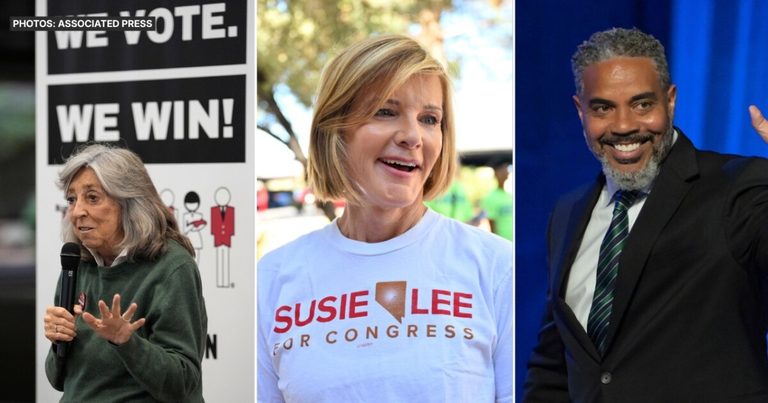
Southern Nevada’s three Democratic members of the U.S. House of Representatives secured another term in the 2026 midterm election, preserving the state’s current partisan balance in Congress.
District 1 – Dina Titus Holds Seat
Incumbent Representative Dina Titus, who has served seven terms in Nevada’s 1st Congressional District, defeated Republican challenger and former Nevada Assemblywoman Carrie Buck. Titus’ continued service maintains her long‑standing presence on Capitol Hill, where she has focused on issues such as water security, veterans’ benefits and economic development for the region.
District 3 – Susie Lee Wins Re‑Election
In District 3, Representative Susie Lee won a fourth term, beating Republican Marty O’Donnell. First elected in 2018, Lee has emphasized expanding access to health care, supporting small‑business growth and protecting the desert’s natural resources. Her victory ensures that her policy priorities remain represented in the House.
District 4 – Steven Horsford Re‑Elected
Representative Steven Horsford, also first elected in 2018, secured a fourth term in Nevada’s 4th Congressional District by defeating Republican challenger Cody Whipple. Horsford’s agenda includes infrastructure investment, workforce training and advocacy for the state’s tourism industry.
Implications for Nevada and the Nation
The three victories signal continued voter confidence in the incumbents’ track records and their ability to advocate for Nevada’s interests at the federal level. While the Republican challengers mounted competitive campaigns, the Democratic incumbents’ experience and established constituent services proved decisive.
These results also contribute to the broader composition of the U.S. House, where the balance of power remains a focal point for national policy debates. Nevada’s continued Democratic representation aligns with the state’s recent voting patterns in federal elections.
Local officials and community leaders praised the elected officials for their dedication to the region’s unique challenges, ranging from water scarcity to economic diversification. The outcomes will shape legislative priorities for the next two years, especially as Congress addresses issues such as infrastructure funding, energy policy and immigration reform.
Original reporting: KTNV 13 Action News Las Vegas (local) — read the source article.