What do you do when you want real produce in a city that isn’t exactly known for its year-round growing season? In Green Bay, one answer has been Tipi Creek Farm & Market, a working vegetable farm and retail stand on the city’s west side that operates with the kind of straightforward purpose most farm stands only pretend to have.
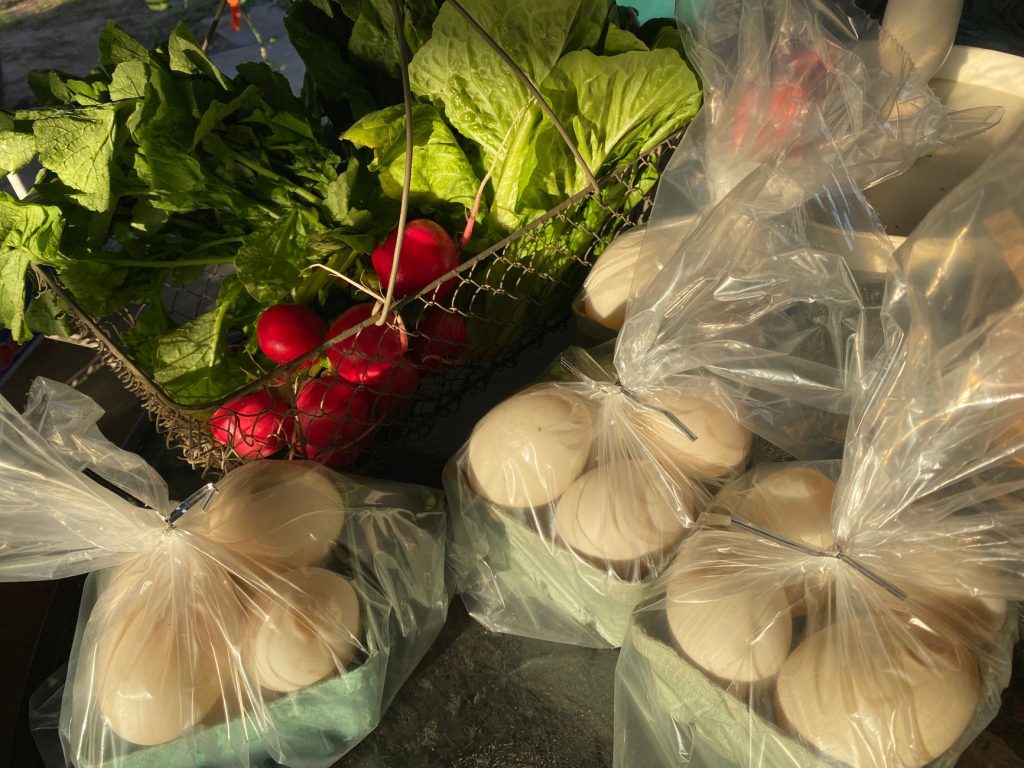
The setup is simple: a working plot of land, a retail space stocked with what’s actually in season, and a staff that can tell you when the tomatoes came in because they picked them that morning. You’re not browsing a curated lifestyle shop. You’re buying food from people who grew it nearby, and the difference is obvious once you’re standing there holding a bunch of carrots that still have dirt on them.
Tipi Creek sits out near the edge of where Green Bay’s west side starts to open up — not quite rural, not quite suburban. The drive feels like you’re heading somewhere, which you are. When you arrive, the market itself is tidy but working. Bins of sweet corn in late July. Rows of winter squash by September. Early in the season you’ll find starts if you’re a gardener, and if you’re not, you’ll find enough cut-flower bundles and herb pots to make you wish you were.
The pricing is honest. You’re not paying a downtown markup for the novelty of local produce — you’re paying what vegetables cost when someone nearby actually grew them. A dozen ears of corn will run you a few dollars. A flat of tomatoes in August is the kind of deal that makes you want to actually learn how to can things. Bring cash if you can; it keeps things moving.
What makes the place worth your time, beyond the produce itself, is the specificity of what they grow. This isn’t a re-seller operation with a few local items mixed into wholesale stock. The selection tracks the actual season, which means early summer is about greens and herbs, midsummer is corn and beans and cucumbers, and fall tips into gourds and root vegetables. If you’ve been buying grocery-store tomatoes in August and wondering why they taste like wet cardboard, one visit here will recalibrate your expectations permanently.
It’s worth going more than once across a season, because the inventory shifts fast. Miss the sweet corn window and you’ve missed it. Show up two weeks later and there’s something else entirely worth buying. That rhythm — arriving and seeing what’s actually there, rather than what you expected — is part of what makes a real farm stand different from a produce aisle.
The market is typically open through the growing season, roughly late spring through fall, with hours posted on their social pages. Worth checking before you make the drive, particularly later in the season when hours may shorten. Dress for weather; the retail area is partly open-air. And give yourself a few extra minutes — it’s the kind of place where you end up buying more than you planned because something looks too good to pass on.