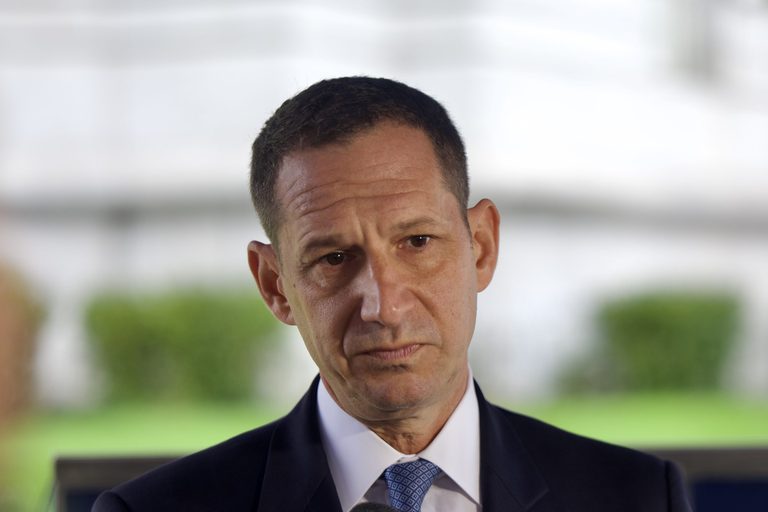
San Francisco voters are showing strong early support for Mayor Daniel Lurie’s charter‑reform package, a trio of measures that would expand mayoral authority and tighten ballot‑access rules. The preliminary results, reported on election night, put each proposition well ahead of the 50% threshold needed to pass.
Early vote totals
Prop D, which would raise the signature‑gathering threshold for citizen‑initiated measures from 2% to 8% of registered voters, is leading 60% to 40%. Prop E, granting the city administrator broader power to overhaul contracting procedures, is up 69% to 31%. Prop F, giving the mayor sole authority to hire and fire certain department heads, shows a 65%‑35% advantage.
What the measures do
All three measures require only a simple majority to become law. Prop D is framed by supporters as a way to curb “special‑interest” petitions and shorten the ballot, while critics argue it will make it harder for grassroots initiatives to qualify, favoring well‑funded campaigns. Prop E would let the city administrator streamline procurement, a change touted as a reduction of bureaucratic red tape. Prop F would centralize personnel decisions for key city departments in the mayor’s office, reducing the Board of Supervisors’ oversight role.
Funding and opposition
The charter package is the most expensive item on the November ballot, backed by nearly $14 million from wealthy allies of Mayor Lurie, including venture capitalist Michael Moritz, crypto entrepreneur Chris Larsen, and the heir to the Levi Strauss & Co. fortune. Labor unions and nonprofit groups raised roughly $745,000 to oppose Prop D, a stark fundraising disparity of more than 18‑to‑1.
Opponents, including several labor unions, say the higher signature threshold will stifle citizen‑driven measures, especially those lacking big‑money backing. They contend the reforms would tilt the political playing field toward affluent donors and tech executives who have recently entered San Francisco politics.
Context and precedent
This is the most significant overhaul of San Francisco’s charter since 1996, when voters approved a slim‑down of the then‑century‑old charter. A similar effort in 2024, tied to former mayoral candidate Mark Farrell, failed despite more than $9 million from billionaire donors. Mayor Lurie’s personal popularity and his direct involvement in the campaign—appearing in ads and mailers—appear to have helped shift the outcome.
Mayor Lurie has also spent at least $1.2 million of his own money on private consultants to promote his image since taking office, underscoring his commitment to the reform agenda.
Related measures
Voters also approved Prop A by a 72%‑28% margin. Prop A moves a set of boards and commissions from the city charter to municipal code, meaning future changes to those bodies will no longer require voter approval and will streamline city governance.
Overall, the early results suggest a decisive victory for the mayor’s vision of a more streamlined, mayor‑centered city government, while critics warn that the changes could diminish grassroots influence in future policy debates.
Original reporting: Mission Local — read the source article.