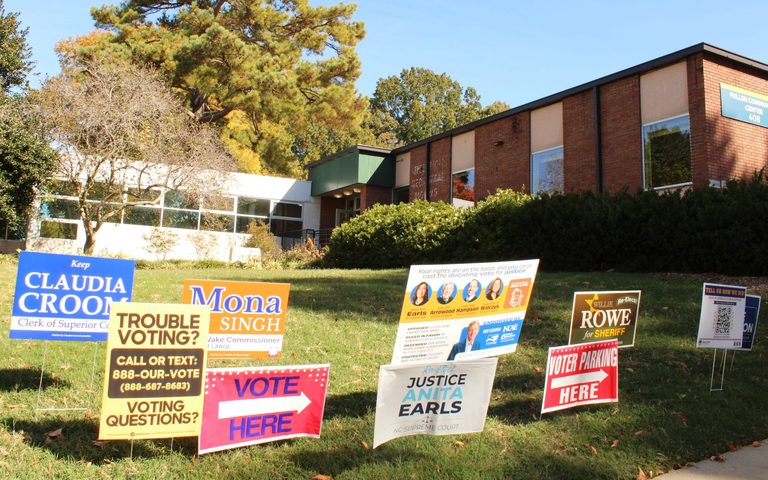
Associate Justice Anita Earls, a Democrat, was re‑elected to the North Carolina Supreme Court on Tuesday night, earning roughly 60% of the vote as of the 9:30 p.m. tally. Her victory over former Republican state legislator Sarah Stevens of Surry County solidifies the first step of the state Democratic plan to flip the court’s 5‑2 Republican majority before the next redistricting cycle in 2030.
Why the race mattered to North Carolina voters
While state Supreme Court races often receive less attention than higher‑profile contests, Democrats made this election a priority. Earls appeared at major campaign events across the state and was highlighted by canvassers alongside Democratic U.S. Senate candidate Roy Cooper. The coordinated effort helped her ride a statewide blue wave to a clear win.
Fundraising advantage
Financial reports show Earls raised about $9 million for her campaign, far outpacing Stevens, who had raised roughly $336,000 by mid‑summer. Stevens’ third‑quarter finance records have not yet been released, but the early gap underscored the fundraising disparity that contributed to the outcome.
Campaign messages
Stevens criticized Earls as an “activist judge,” claiming she decides cases based on how she wishes the law to be rather than its actual text. Stevens argued that conservative courts typically defer to the legislature, whereas Earls allegedly “cuts out” that deference. Earls, however, emphasized that her re‑election helps protect cultural independence from political pressure and special interests, and restores checks and balances in the judiciary.
Implications for the court’s future
The Democratic strategy envisions three steps: first, Justice Allison Riggs’ narrow win in 2024; second, Earls’ re‑election; and third, flipping at least two of the three Republican seats up for election in 2028. Earls said, “After we celebrate and catch our breath, we know that the control of the court will be up for grabs in 2028. We must keep our eyes on that prize and build on the momentum we create.”
Broader context
Earls highlighted the Republican court’s recent reversals on three major issues: partisan gerrymandering, the voter‑ID law, and state education funding. Outside groups supporting Earls also attacked Stevens’ record, alleging she had supported sexual predators, though Stevens has sponsored bills aimed at protecting children.
What’s next?
With Earls’ seat secured, the Democratic caucus will focus on the upcoming 2028 elections, where the balance of the court could shift dramatically. The outcome will influence how North Carolina addresses key legal questions that affect everyday citizens, from voting rights to education funding.
Editor’s note: This is a developing story and will be updated as additional information becomes available.
Original reporting: Carolina Public Press — read the source article.