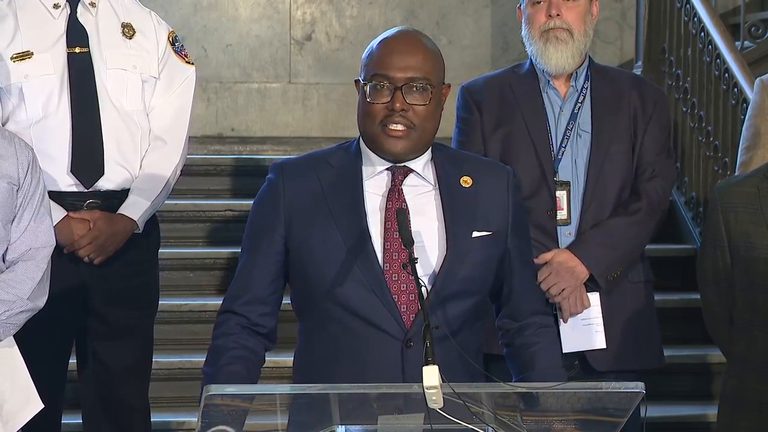
Little Rock voters reaffirmed their support for incumbent Mayor Frank Scott Jr., who captured 62.9% of the ballot in Tuesday’s general election, defeating Vice Mayor Brenda “BJ” Wyrick, who received 37.1%.
Election results and voter turnout
Scott tallied 29,581 votes, while Wyrick earned 17,429. The clear margin reflects strong community approval of the administration’s recent initiatives, particularly in job creation, public safety, and infrastructure development.
Mayor Scott’s record and future agenda
First elected in 2018, Scott brings a background in banking and experience from former Governor Mike Beebe’s administration, as well as service on the Port of Little Rock board and the Arkansas Highway Commission. During his two terms, he has highlighted several accomplishments:
- Steady job growth across the city’s emerging sectors.
- Expanded public safety programs, including increased police presence and community resource officers.
- Investment in affordable housing projects to address rising demand.
- Major infrastructure upgrades, such as road repairs and utility improvements.
In his re‑election campaign, Scott pledged to build on these successes by further expanding services for individuals experiencing homelessness and strengthening workforce development programs.
Wyrick’s platform and criticisms
Vice Mayor Brenda “BJ” Wyrick, a longtime city board member since 1994, ran on a platform that emphasized tougher public‑safety measures, more police officers, and stronger code enforcement. She also called for a dedicated funding source for infrastructure and criticized the city’s handling of street maintenance and spending.
Wyrick, a retiree of Southwestern Bell and the Arkansas Department of Information Systems, highlighted her experience on the city’s planning commission and board of adjustment as qualifications to address these concerns.
What the victory means for Little Rock
The election outcome signals continuity for Little Rock’s municipal leadership. Residents can expect the administration to maintain its focus on economic development, safety, and housing affordability while addressing homelessness through targeted programs. City officials will soon convene to outline the next phase of infrastructure projects and workforce initiatives, aiming to sustain the momentum that helped secure Scott’s re‑election.
Looking ahead
With the mayoral race settled, Little Rock’s city council and other local agencies will continue their work on budget allocations, public‑works planning, and community outreach. The administration’s emphasis on partnership with local businesses and faith‑based organizations is expected to remain a cornerstone of its strategy, reinforcing the city’s commitment to traditional family values and individual liberty.
Original reporting: KATV Little Rock (local) — read the source article.