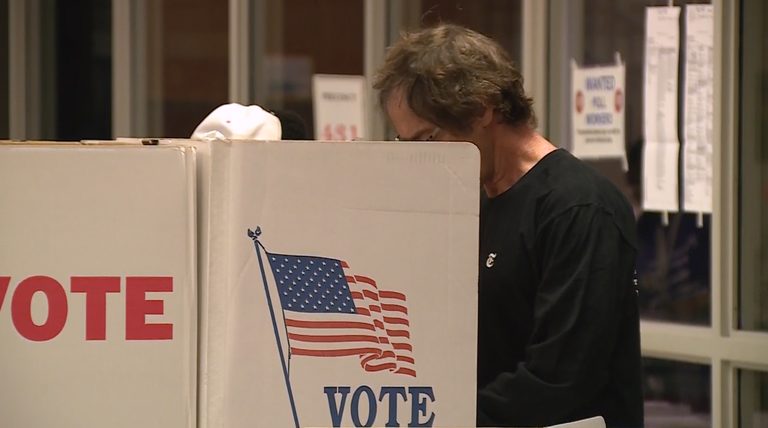
KOCO 5 reporter Cameron Sibert stood at the Millwood Field House polling location in Oklahoma City on Election Day and watched a steady stream of voters file in to cast their ballots. Voters reported that the process moved quickly, with the length of the ballot itself being the most time‑consuming part of the experience.
Key issues on voters’ minds
When asked what mattered most to them, many Oklahoma City voters mentioned the state of the economy and the proposed Oklahoma County Jail tax. The tax proposal, which would fund additional jail facilities, sparked debate among residents who are weighing fiscal responsibility against public‑safety needs.
Immigration enforcement also rose to the top of the list. Voters expressed a desire for stronger enforcement of immigration laws, reflecting broader concerns about border security and the impact of illegal immigration on local communities.
Women’s rights were another prominent topic. Voters voiced opinions on issues ranging from reproductive health policy to workplace equality, underscoring the continued relevance of gender‑related legislation in the state.
Other concerns mentioned included general inequality and a range of social issues that voters feel affect their daily lives.
Polling logistics
Polls remain open until 7 p.m. on Tuesday, Nov. 3. Oklahoma law guarantees that anyone who is in line before the closing time will be allowed to vote, ensuring that all eligible residents have the opportunity to be heard.
For those who need assistance, the state provides resources such as absentee ballot voting, sample ballots, and online tools to locate polling places. The Oklahoma Secretary of State’s website continues to offer up‑to‑date information on voting procedures and election results.
Why this matters for Oklahoma City
Midterm elections often set the tone for the next two years of policy making at both the state and local levels. The issues highlighted by Oklahoma City voters—economic stability, public‑safety funding, immigration enforcement and women’s rights—are likely to shape the priorities of elected officials as they craft legislation and allocate resources.
Local leaders will need to balance fiscal concerns with community safety, while also addressing the social and economic needs expressed by constituents. The outcome of these votes will influence everything from county budgeting decisions to state‑wide policy debates.
Looking ahead
As the results come in, Oklahoma City residents will watch closely to see how their voices translate into elected representation. The focus on practical, everyday concerns reflects a community that values both economic opportunity and strong, principled governance.
Original reporting: Oklahoma City News Feed (HLL/CB) — read the source article.