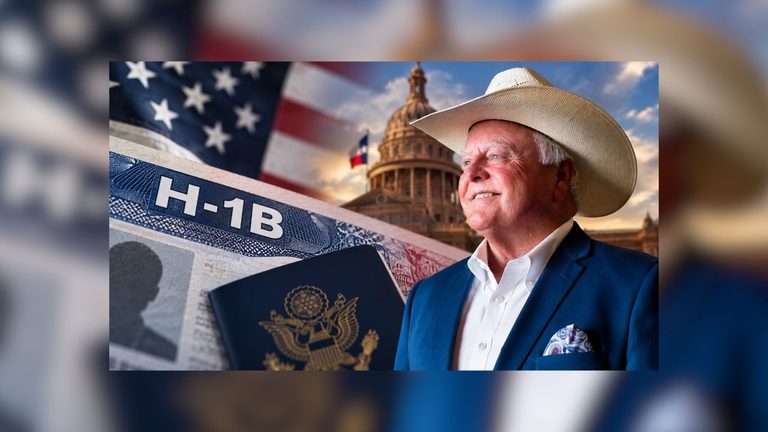
Texas Agriculture Commissioner Sid Miller (R) unveiled a new eligibility rule for certain state‑funded agricultural grants, targeting businesses that employ H‑1B visa workers. In a release from the Texas Department of Agriculture (TDA) on October 28, Miller said taxpayer assistance must prioritize “Texas workers first. Period,” urging Governor Greg Abbott and other officials to adopt the same approach.
Proposed grant restriction
The proposal would bar companies seeking covered grants from receiving funding if they employ any H‑1B visa holders. The rule applies only to grants administered by the Texas Agricultural Grant program and does not affect federal grants, state‑backed loans, or independently run grant programs.
Independent boards that set their own eligibility criteria could still award grants, as the exemption covers programs whose governing entities establish separate rules. The TDA has not confirmed whether the Texas Agricultural Finance Authority’s (TAFA) AgLink or AgPro programs fall under the exemption.
Potential impact on Texas agriculture
TAFA’s AgLink program has already awarded more than $22.4 million to agricultural facilities affected by natural disasters, including over $2.1 million for personnel across 26 projects. Those figures represent existing awards, not money that would be saved under Miller’s proposal.
AgPro, another TAFA program, offers grants ranging from $5,000 to $500,000. The department reported receiving over 1,100 applications and expects to notify applicants by November 15.
Context and related state actions
Governor Abbott issued a directive on January 27 that restricts new H‑1B petitions by agencies led by gubernatorial appointees and public higher‑education institutions through May 31, 2027, unless the Texas Workforce Commission grants written permission. Miller’s grant proposal is separate from that directive and focuses specifically on grant eligibility rather than immigration petitions.
The Dallas Express previously identified 33 private employers that requested 193 H‑1B positions linked to TxDOT worksites. Those applications did not confirm that any visas were ultimately granted.
What remains unclear
The TDA release does not specify an effective date, statutory citation, verification process for employer H‑1B status, or how the rule would affect existing awards. No separate implementing directive or revised grant criteria have been published, leaving it uncertain whether any grants have already been denied under the new rule or how many American jobs might be preserved.
Critics may argue that the proposal could limit the ability of Texas farms to fill specialized roles that require advanced knowledge. However, Miller and supporters contend that the state has a responsibility to ensure that public funds first benefit American workers, especially in a sector as vital as agriculture.
Looking ahead
Commissioner Miller has called on other statewide officials to follow his lead, suggesting that broader action could further protect Texas labor. The proposal will likely be reviewed by the TDA board and could face legislative scrutiny before any final implementation.
Stakeholders, including farm owners, industry groups, and labor advocates, are expected to weigh in during the upcoming public comment period. The outcome will shape how Texas balances the need for specialized talent with the goal of preserving jobs for its own citizens.
Original reporting: WBAP News/Talk (Dallas-Fort Worth) — read the source article.