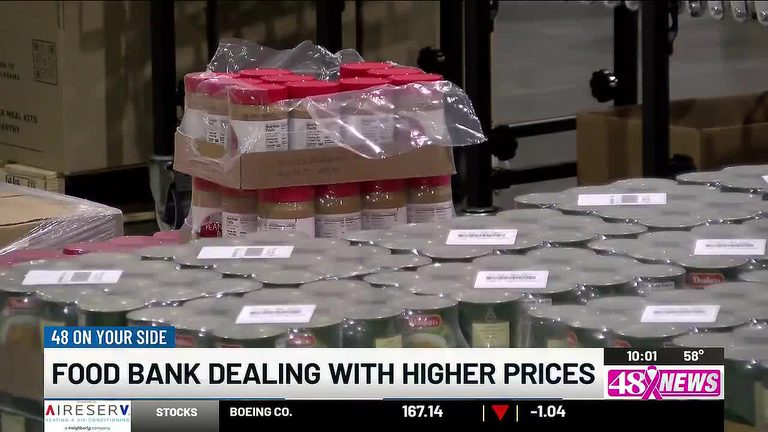
HUNTSVILLE, Ala. – The Food Bank of North Alabama reported a record‑breaking distribution of 16.7 million pounds of food during its most recent fiscal year, translating to almost 14 million meals for families across the 11‑county service area.
Rising Grocery Costs Drive Greater Need
Shirley Schofield, CEO of the food bank, said the surge reflects both the dedication of community partners and a growing hunger gap. The U.S. Department of Agriculture notes the average family is now spending about $24 more each month on groceries than it did last year, tightening household budgets.
“Not only is it a testament to the partners that we have in getting the food out to the community, but it also unfortunately shows that there’s a lot of need here with many more people needing food,” Schofield explained.
Federal Assistance Declines, Local Support Steps In
The food bank’s reliance on the federal Emergency Food Assistance Program (TEFAP) has dropped sharply. Schofield estimates TEFAP deliveries have fallen roughly 30 % in recent months, forcing the organization to purchase additional food to meet demand.
“We’ve had to purchase a lot more food, which is money that we’d rather not have to spend on food,” she said. Local grocery stores have responded, increasing their donations and helping offset some of the shortfall.
Community Contributions Keep the Mission Alive
Every dollar donated to the food bank now provides more than three meals, according to Schofield. As the holiday season approaches, the organization is calling on residents to continue giving time and resources.
“Donations and volunteers will remain important to helping the food bank and its partner agencies provide food to families across the region,” Schofield added.
How to Help
Individuals interested in supporting the effort can donate money, food, or volunteer their time. Information on giving, volunteering, and accessing food assistance is available on the food bank’s website.
The Food Bank of North Alabama’s expanded distribution underscores both the generosity of local partners and the pressing need for continued community action as families grapple with higher food costs and reduced federal aid.
Original reporting: WAFF 48 Huntsville (news) — read the source article.