In Anaconda, Montana, the community continues to rally around the families of four victims killed in the tragic Owl Bar shooting on August 1, 2025. The victims – patrons David Leach, Daniel Baillie, Tony Paul and bartender Nancy Kelley – were shot by Michael Paul Brown, who remains in custody awaiting trial.
Ongoing court proceedings
Brown entered a not‑guilty plea to four counts of deliberate homicide, as well as charges of attempted arson, theft and eluding a peace officer, one month after his arrest. Several months later a judge ruled him unfit to stand trial, and he has since been appearing via Zoom from a state hospital for a series of status hearings.
At the most recent hearing in August 2026, Brown’s attorney requested additional time to obtain the defendant’s military records. The State, in turn, asked for more time to secure an independent psychological evaluation. Both requests highlight the procedural delays that have frustrated the victims’ families.
Family members refuse to give up
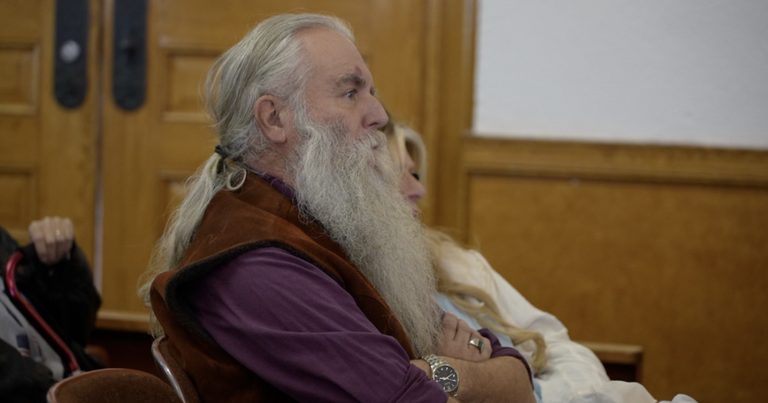
David Gwerder, a close friend of the slain patrons, has attended every court appearance. He expressed both frustration and cautious optimism after the latest hearing.
“It’s progressing slowly because they required an independent… what is it… head shrink. So, it’s going somewhere,” Gwerder said, acknowledging the need for a thorough mental‑health assessment while emphasizing that the case is finally moving forward.
Gwerder vowed to remain at the courthouse until a trial is held and a verdict rendered. “I’m not going to let it go until it’s over with. Until he has a trial and it’s done and over with, you’re going to see me up here every time,” he declared.
Next steps
The next scheduled hearing is set for January 2026. At that time, the court will decide whether Brown is now competent to stand trial and whether the independent psychological evaluation can be completed in time for a trial date.
Local officials and community leaders have expressed support for the families’ perseverance, noting that the case underscores the importance of a swift and transparent judicial process in rural Montana. While the legal system must balance due‑process rights with the community’s demand for accountability, the continued presence of the victims’ friends serves as a reminder that justice is a shared responsibility.
Community response
Residents of Anaconda and the broader Deer Lodge County have shown solidarity through vigils, social‑media posts, and donations to a fund established to assist the families with funeral expenses and ongoing legal costs. The Owl Bar, a longtime gathering place in downtown Anaconda, remains closed while the investigation proceeds.
As the case advances, the community hopes that the procedural hurdles will be resolved quickly, allowing the court to focus on the substantive issues of guilt and accountability. The steadfast commitment of the victims’ friends reflects the town’s deep‑rooted values of family, faith, and the rule of law.
Original reporting: KTVQ Q2 Billings (local) — read the source article.