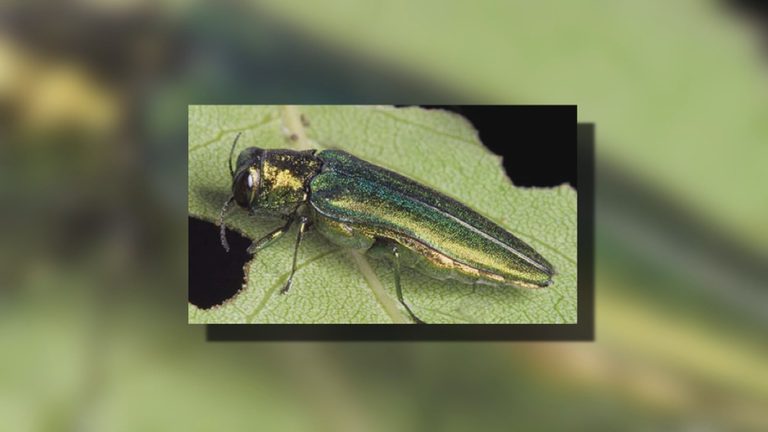
In response to the discovery of the emerald ash borer (EAB) in August, the Bismarck Forestry Division unveiled a long‑term management plan aimed at safeguarding the city’s boulevard trees. Over the next four to five years, roughly fifty percent of the ash population on city boulevards will be removed. Selections for removal will be based on tree condition, structural concerns, and public safety considerations.
Phased removals to minimize neighborhood impact
Forestry officials emphasized that spreading the work over several years will lessen the immediate visual and safety impact on residents while still making steady progress toward the city’s long‑term goals. “We know how important boulevard trees are to our neighborhoods,” said Bismarck City Forester Christy Ames‑Davis. “This plan allows us to manage EAB responsibly by combining treatment with phased removals so impacts are gradual, not sudden. After years of preparation, Bismarck is ready to take this on — and we still have time to act effectively.”
Treatment of remaining ash trees
All ash trees that remain after the phased removals will receive targeted insecticide applications. The city explained that this approach helps stagger future losses rather than allowing a rapid, widespread invasion of the pest.
Commitment to replanting
Even as trees are removed, the Forestry Division reaffirmed its commitment to replanting. A detailed replanting plan is still being finalized, but officials indicated that new, species‑appropriate trees will be selected to restore the aesthetic and environmental benefits of the boulevards.
How residents can help
Residents who notice ash trees that appear dead, diseased, or otherwise hazardous are encouraged to contact the Forestry Division. Calls can be made to 701‑335‑1700 (option 3) or emails sent to [email protected]. The city also provided a link for additional information: www.bismarcknd.gov/Forestry.
Why the plan matters
The emerald ash borer is an invasive beetle that has devastated ash populations across the Midwest. By acting early and methodically, Bismarck aims to protect public safety, preserve the visual character of its streets, and avoid the costly, large‑scale tree loss experienced by other communities. The city’s proactive stance reflects a broader commitment to responsible stewardship of natural resources and the well‑being of its families.
Original reporting: KFYR-TV Bismarck (news) — read the source article.