Tulsa officials are moving forward with a proposed ordinance designed to protect any human remains or cultural artifacts that may be uncovered during future development in the historic Greenwood District. The measure seeks to create a transparent, legally‑backed process for identifying, preserving, and honoring these discoveries, which are vital to understanding the 1921 Tulsa Race Massacre and its lasting impact on the community.
Why the ordinance matters
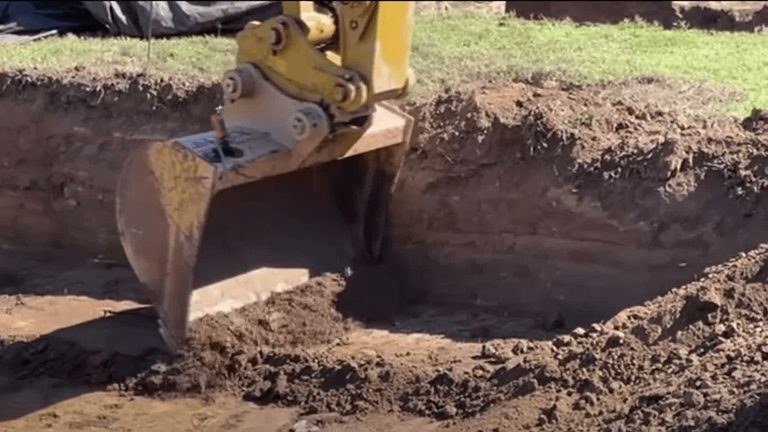
Below the streets of Greenwood, archaeologists and historians believe there are still undiscovered items and possibly burial sites that could shed new light on the tragedy that devastated the neighborhood a century ago. City leaders say the lack of a formal legal framework has left developers and contractors uncertain about how to proceed when such finds occur, potentially risking the loss of irreplaceable history.
Key provisions
The draft ordinance would require developers to halt work immediately if human remains or significant artifacts are discovered. An independent panel of archaeological experts, along with designated descendants of Greenwood families, would be called upon to assess the find, determine its significance, and recommend appropriate handling procedures. The ordinance also outlines how remains would be respectfully removed, studied, and ultimately re‑interred or memorialized in a manner that reflects the cultural heritage of the district.
Voices from the community
Kristi Williams, chair of the Beyond Apology Commission, emphasized the educational value of these artifacts, stating, “Artifacts help fill in gaps to our story and to our history.” Councilor Vanessa Hall‑Harper, representing District 1, expressed concern about the handling of mass‑grave investigations, noting, “One concern I have is how the remains, in the mass graves investigation, are taken from where they are, where they have been found.” Hall‑Harper added that codifying the process ensures the community’s culture, history, and legacy are honored.
Next steps
The ordinance is still being refined. City staff are working on the language that will define how descendants are selected for the review panel, how decisions are documented, and how the city will coordinate with developers to minimize project delays while still safeguarding heritage sites. A public hearing is scheduled for next month, giving residents, historians, and developers an opportunity to provide input.
Impact on development
By establishing clear guidelines, Tulsa hopes to balance economic growth with historical stewardship. Developers will have a predictable process to follow, reducing uncertainty and potential legal challenges. At the same time, the city affirms its commitment to preserving the memory of Greenwood’s past, reinforcing the district’s identity as a place of resilience and cultural pride.
Community members are encouraged to attend the upcoming hearing and share their perspectives. The ordinance, if adopted, would position Tulsa as a model for other cities grappling with similar archaeological and historical preservation challenges.
Original reporting: KTUL 8 (Sinclair) – local — read the source article.