Upstate New York municipalities typically see larger numbers of crows in the fall and winter months. In Troy, the seasonal surge has prompted Mayor Carmella Mantello to pursue a contract with the U.S. Department of Agriculture (USDA) aimed at deterring the birds.
Mayor proposes $13,000 USDA contract
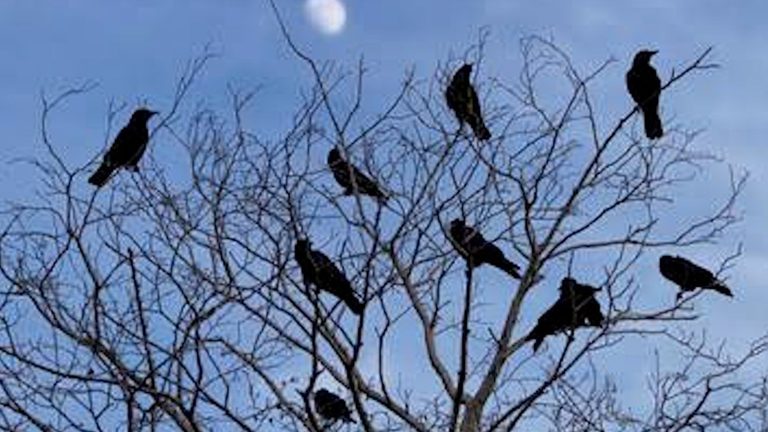
On Wednesday afternoon, CBS6 reporter Anthony Krolikowski observed only a handful of crows in downtown Troy, but by evening more than 100 were flying near City Hall. Mantello recalled a 2025 photograph she posted on social media showing a sidewalk and fire hydrant covered in bird droppings. She said the city is negotiating an “almost $13,000” contract with the USDA that would employ “minor pyrotechnics, lasers, spotlights, and some noise” to encourage the crows to relocate. “It’s not super intrusive,” the mayor explained.
City Council questions the need
City Council President Sue Steele pushed back, noting that council members have received few formal complaints about the birds. Steele sent a statement to local media: “The City Council has reached out to neighboring communities to see how they are handling crows, and will speak with a representative from the USDA regarding options. We are doing our homework on the issue of crow relocation. While the crows may be a nuisance, Councilmembers have received few complaints. We have asked the mayor to share evidence of complaints. As of now, she has not provided that information to us.”
Long‑time residents who have spoken to the outlet said the proposed hazing measures – loud noises and flashing lights – could be more disruptive than the birds themselves. Steele emphasized that the council will continue its research before any contract is approved.
Mayor says council has not blocked the contract
Mantello clarified that the council has not formally rejected the USDA agreement. She pointed to neighboring Watervliet, which already has a USDA contract for similar bird‑deterrent measures. Watervliet Mayor Charles Patricelli remarked, “It isn’t going to stop us from, you know, redirecting them out of here to city. And if that pushes them to someplace else, and that includes Troy. Well, good luck.”
If Troy were to sign its own agreement, the USDA would coordinate efforts to keep crow populations from being harmed in either city.
Public input requested
The mayor’s office invited residents to contact their council members and share their experiences. “Both sides, if you feel it does disturb you, I want to know. Maybe we can do better education, etc.,” Mantello said.
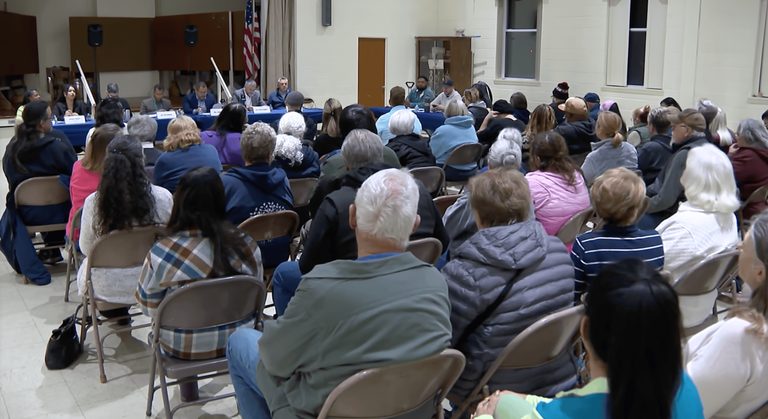
The USDA is scheduled to meet with the City Council on Thursday evening to discuss safety and methodology. The council will vote on whether to approve the contract at its November 5, 2026 meeting.
What’s at stake
Supporters argue that the bird droppings pose a health concern for pedestrians and vehicle owners, especially as the city approaches winter. Opponents worry about the cost to taxpayers and the potential noise impact on neighborhoods. The outcome will set a precedent for how Troy and nearby municipalities address seasonal wildlife challenges while balancing fiscal responsibility and resident quality of life.
Original reporting: CBS 6 WRGB Albany (local) — read the source article.