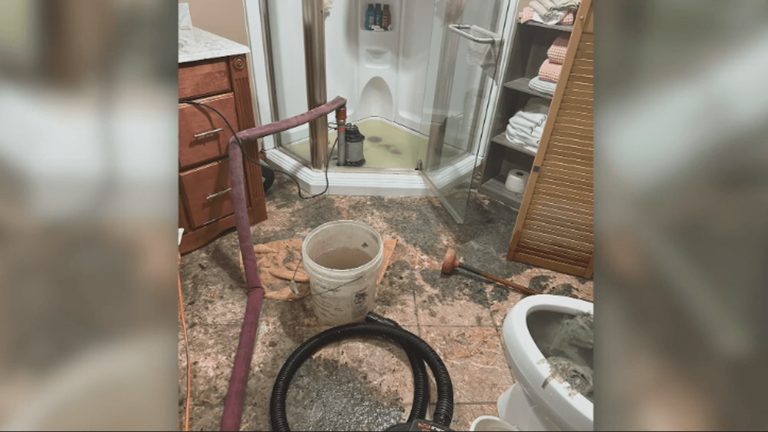
Halfmoon, N.Y. – Homeowner Gary Ganong is sounding the alarm for his neighbors after Saratoga County denied his request for reimbursement of $50,000 in cleanup and repair costs stemming from a sewage backup on May 17, 2025. While Ganong believed the county’s internal process would resolve his claim, he later discovered that a separate legal deadline had expired, potentially barring any future lawsuit.
County denial and the hidden deadline
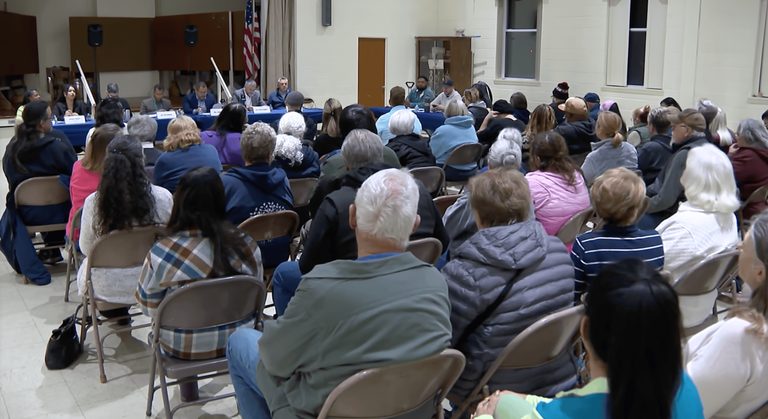
Following the backup, Ganong worked with the Saratoga County Sewer District 1, speaking with Executive Director Dan Rourke, who instructed him to gather estimates and documentation for the county’s sewer commission. Ganong presented his loss calculations at the commission’s July 31 meeting, expecting a check once the county reviewed the evidence.
Instead, on September 23, the county sent a letter stating it found no negligence and would not compensate Ganong. What Ganong did not realize was that New York law requires a formal written “notice of claim” to be served on the municipality within 90 days of the incident. In his case, that deadline fell on August 15, 2025—more than a month before the denial letter arrived.
Understanding the notice‑of‑claim requirement
Attorney Michael Macomber, partner and chief executive officer at Tully Rinckey, explained that the notice of claim is meant to give municipalities prompt notice of potential legal actions and an opportunity to investigate. The notice must identify the claimant, describe the incident and damages, and be properly served on an authorized official.
“If an individual fails to file a notice of claim within 90 days, that may prevent them from pursuing whatever legal action they may have against the municipality,” Macomber said.
Why internal processes may not satisfy the law
Macomber cautioned that submitting documents to a municipal board or commission does not automatically satisfy the formal notice requirement. The content and method of delivery matter. While an attorney is not required to draft the notice, mistakes can jeopardize a future lawsuit.
He advised residents to treat the 90‑day window as a critical step. “If you are going to bring those claims through whatever the town’s process is, and you’re not getting the resolution you need within that 90‑day window, you need to be able to prepare that notice of claim,” Macomber said.
Options after missing the deadline
Missing the initial deadline does not automatically close every legal avenue. In some cases, a plaintiff can petition a court for permission to serve a late notice of claim. However, courts weigh factors such as whether the municipality had timely knowledge of the essential facts and whether the delay would substantially prejudice its defense.
“Obtaining permission creates an additional legal hurdle, and approval is not guaranteed,” Macomber noted. Whether Ganong’s earlier communications with the sewer commission could support a late‑notice application remains unresolved.
Ganong’s call to action
Feeling “betrayed by the county,” Ganong told CBS6’s Briana Supardi that he wants other homeowners to be aware of the deadline. “I was told they would review it and then I would be cut a check. So at no point did I feel I was going to have to sue the county,” he said, adding that the county’s delay appeared to be a “stall tactic.”
He urges anyone facing a similar dispute to act quickly, gather documentation, and file the required notice of claim within the statutory period. “Don’t wait for a decision that may never come,” Ganong warned.
What residents can do now
Homeowners in Halfmoon and the broader Saratoga County area should contact a qualified attorney to confirm whether a notice of claim has been properly filed. They can also request clarification from the county’s legal department about the status of any pending claims.
By staying informed about procedural deadlines, residents can protect their rights and avoid costly legal setbacks.
Original reporting: CBS 6 WRGB Albany (local) — read the source article.