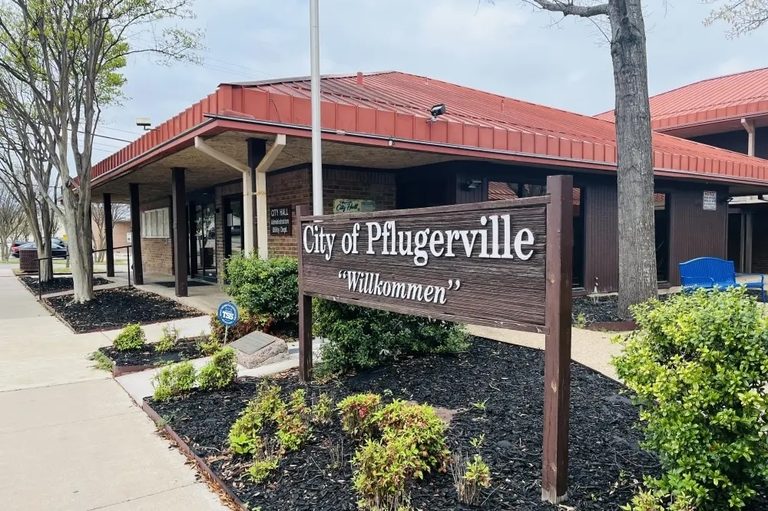
At its Oct. 27 meeting, the Pflugerville City Council unanimously approved the Secure, Accountable, Fair and Explainable (SAFE) Technology policy, a comprehensive framework designed to protect residents’ privacy while allowing the city to benefit from modern technology.
Key safeguards and oversight mechanisms
The policy classifies municipal technology into low, moderate, or high‑risk categories based on intended use and potential impact. Routine administrative tools remain under the city manager’s supervision, but any high‑risk system—especially those used for law‑enforcement, surveillance, or biometric identification—must receive direct City Council review and approval.
Four core safeguards anchor the SAFE policy:
- Resident oversight: A City Council‑appointed citizen commission will evaluate proposed technologies and advise staff and elected officials.
- Human review: AI and automated systems may assist city employees, but they cannot replace human judgment in critical decisions such as law and code enforcement, permitting, or access to city services.
- Data privacy: Vendors and outside parties are prohibited from selling city data or using it for unrelated purposes, including training general‑purpose AI models, unless expressly authorized by the Council and permitted by law.
- Surveillance restrictions: Facial recognition, certain biometric identification systems, generalized tracking of lawful First Amendment activity, and social‑scoring systems that rate individuals based on behavior are barred without explicit Council authorization.
Transparency and data‑sharing rules
Any outside organization seeking ongoing or direct access to city data must secure a written agreement and obtain Council approval. Limited exceptions exist for emergencies and active public‑safety needs. The city will maintain a public website and publish an annual report that identifies high‑risk technologies, explains how they are used, and details the safeguards in place, subject to legal and security constraints.
Local leaders praise the proactive approach
Mayor Doug Weiss emphasized that technology can enhance city services, but not at the expense of privacy, accountability, or public trust. “Our residents deserve to know how these tools are used and what we’re doing to protect their information,” Weiss said. “This policy allows us to embrace new technology while keeping the people we serve at the center of every decision.”
Council member Rudy Metayer noted that the recent termination of the city’s contract with Flock Safety highlighted the need for stronger governance. “Moving forward, lessons learned, we are going to make sure we have more governance and eyes on these things,” he said.
Council member Jonathan Coffman called the policy “a really great start,” adding that the council must remain adaptable as technology evolves. “This still establishes for the public a level of transparency,” Coffman said.
Why the policy matters for Pflugerville families
For parents, business owners, and faith‑based organizations in Pflugerville, the SAFE policy offers reassurance that emerging tools will be deployed responsibly, with clear human oversight and robust privacy protections. By requiring citizen input and public reporting, the city aligns its technology strategy with the community’s values of family, faith, and individual liberty.
As more municipalities grapple with AI and surveillance concerns, Pflugerville’s approach provides a model for balancing innovation with the constitutional rights and personal freedoms that residents cherish.
Original reporting: Community Impact — Austin — read the source article.