Washington, D.C. – Judges across the District are sounding a clear alarm about a growing civil‑justice gap that threatens families, homeowners and small businesses. With a severe shortage of attorneys willing to take on free civil cases, thousands of residents risk representing themselves in matters as critical as evictions, child‑custody disputes, debt collection and protection orders.
Judicial leaders describe the crisis
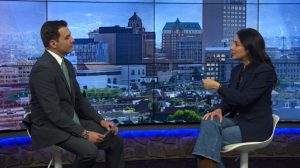
Superior Court Judge Ebony M. Scott said the disparity is “mind‑blowing” in a city that boasts the nation’s highest concentration of lawyers. “The vast majority of people who come into our civil courts are unrepresented,” she warned, noting that unlike criminal defendants, civil litigants have no constitutional right to counsel.
Data shared by the judges illustrate the depth of the problem. In housing court, roughly 85% of tenants facing eviction lack legal representation while about 95% of landlords have attorneys. Family court faces a similar strain, with the D.C. Bar’s Jenadee Nanini reporting that nearly 90% of parties appear without counsel. In the most sensitive areas of the Court of Appeals, Judge J.P. Howard said the rate of unrepresented parties can climb as high as 97%.
Why the gap matters to families and communities
When individuals navigate complex legal procedures without professional help, the entire judicial system slows down. Pro bono manager Jody Feldman explained that self‑represented litigants often miss procedural deadlines, submit incomplete filings and overwhelm judges with irrelevant information. The result is longer court calendars and delayed justice for everyone.
For families, the stakes are especially high. “These are your neighbors in the District, people. We all come from families, and these people are in court alone with the most sacred parts of their life at issue,” Nanini emphasized, underscoring the moral imperative to protect parental rights and family stability.
Judges appeal to the legal community
Recognizing that private firms are not mandated to provide pro bono services, the judges are making a direct appeal to the broader D.C. legal community. Judge Howard highlighted that early‑career attorneys have a unique opportunity to gain courtroom experience while serving those in need. “Stepping into pro bono civil work presents an ideal opportunity for young lawyers to argue cases directly before a D.C. judge,” he said.
The call is not merely about filling a staffing void; it aligns with the District’s broader commitment to uphold constitutional principles, protect families, and ensure that the rule of law is accessible to all citizens, regardless of income.
How attorneys can help
- Join existing pro bono programs run by the D.C. Courts or local bar associations.
- Offer limited‑hour clinics focused on eviction defense, family law and debt collection.
- Partner with community nonprofits that refer low‑income clients to volunteer lawyers.
- Consider mentorship arrangements where seasoned attorneys guide new lawyers through civil casework.
By expanding the pool of volunteer counsel, the District can begin to close the civil‑justice gap, protect vulnerable families, and keep the courts functioning efficiently for every resident.
Looking ahead
The judges plan to continue public outreach, host informational webinars for attorneys and work with the D.C. Bar to track progress. As the legal community responds, the hope is that more D.C. residents will receive the representation they need to safeguard their homes, families and financial futures.
Original reporting: Arlington County | FOX 5 DC — read the source article.