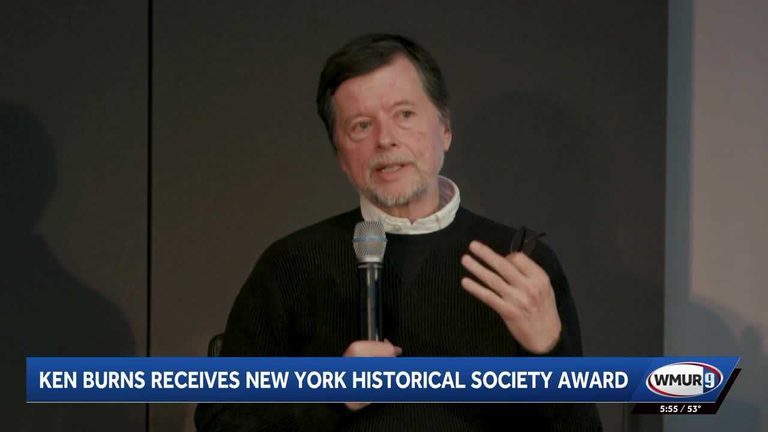
Walpole, N.H. – Renowned documentary filmmaker Ken Burns received a $250,000 award from the New York Historical Museum on Friday. The honor, the inaugural David M. Rubenstein Prize for the Advancement of American History, celebrates Burns’s lifelong work bringing pivotal moments of the United States to life on screen.
Local roots, national impact
Born and raised in the small New England town of Walpole, Burns has become a household name through his sweeping series on the American Revolution, the Civil War, and other defining eras. The jury, composed of historians and museum curators, praised his ability to blend rigorous scholarship with compelling storytelling, noting that his documentaries have educated generations of Americans about the nation’s past.
Prize details and significance
The $250,000 Rubenstein Prize, funded by philanthropist David M. Rubenstein, aims to encourage continued excellence in historical research and public education. Museum director Laura Whitman said the award reflects the institution’s commitment to honoring creators who make history accessible to a broad audience.
“Ken Burns’s work exemplifies the power of film to deepen our collective understanding of American heritage,” Whitman added. “This prize not only recognizes his past achievements but also supports future projects that will keep our history vibrant and relevant.”
Community response
Local officials and residents expressed pride in Burns’s achievement. Walpole Town Manager James Carter noted that the award shines a spotlight on the town’s cultural contributions. “Ken’s success is a source of inspiration for our community,” Carter said. “It shows that great work can emerge from even the smallest towns.”
Students at Walpole High School, where Burns has occasionally spoken about his craft, gathered after school to watch clips from his latest series. Senior Emily Rivera remarked, “It’s amazing to see someone from our town celebrated on a national stage. It motivates us to pursue our own passions.”
Looking ahead
While the prize includes a substantial cash component, Burns emphasized that the true reward lies in the public’s continued interest in history. In a brief statement, he said, “I’m grateful for the recognition, but my goal remains the same: to tell stories that help people understand where we come from and where we might be headed.”
The New York Historical Museum plans to feature a special exhibit on Burns’s career later this year, showcasing original footage, research notes, and behind‑the‑scenes photographs. The exhibit will travel to several museums across the country, further extending the reach of his work.
For now, the Walpole community celebrates a hometown hero whose films have become a staple of American education and cultural life.
Original reporting: WMUR (Hearst) – local news — read the source article.