Ohio’s housing stock includes a large share of older homes that may still harbor lead paint, a silent health threat for families. Data from Lead Free Ohio shows that roughly two‑thirds of the state’s residences were built before the 1978 federal ban on residential lead‑based paint.
Where the risk is greatest
In Montgomery County, between 19 and 27 zip codes contain neighborhoods with homes likely to have lead paint. Many residents in these areas are unaware of the potential danger lurking behind walls, windows and older fixtures.
Health officials stress early testing
Because lead exposure often produces no immediate symptoms, officials stress the importance of environmental awareness and early blood testing. “Usually they don’t show any symptoms, but what we do know is that the environment plays a really big role,” said Ashley Stevely, interim director of the Center for Community Health at Dayton Children’s Hospital.
Stevely explained that while a blood lead level of zero is the ideal target, parents should investigate possible sources if a child’s test shows a level above 3.5 µg/dL. She also noted that lead hazards can extend beyond paint to older household items and toys. “I know for my son, it’s the old Hot Wheels, the old Hot Wheels toys before the 80s. They may contain lead and so knowing what’s in your environment can let you know whether or not your child needs to be tested or retested for lead,” she said.
Older kitchenware can also pose a risk
Jeffery Ringiesn, program manager for the Lead Poisoning Prevention Program, warned that ceramic bowls and other kitchenware made before 1978 may contain significant lead amounts. “Any ceramic bowls from pre‑1978 can contain lead in pretty high amounts,” Ringiesn said.
Homeowners share concerns
Joyce Cantrell, a Montgomery County homeowner who has lived in her 1955‑built house for nearly 15 years, admitted she has never tested her property for lead hazards. “I never had it tested,” she said. “Yeah, that’s scary because there’s a lot of health risks you can get with that lead.” Cantrell said she wants to find out more so she can protect her family.
How parents can act
Parents who suspect exposure should contact their child’s pediatrician to arrange a blood test before the child turns six. In addition, families can have their homes inspected for lead paint by certified professionals, a service often offered through local health departments or community organizations.
Lead Free Ohio encourages residents to use the state’s online resources to locate testing sites and learn about safe renovation practices that minimize dust and debris during home repairs.
Community resources
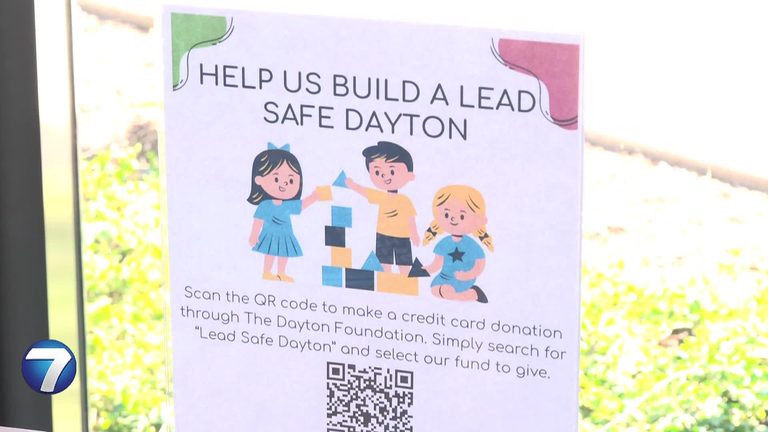
Local health departments are increasing outreach efforts, offering free or low‑cost testing events in high‑risk neighborhoods. Community groups are also distributing educational flyers that explain how to identify potential lead sources, such as older toys, jewelry, and imported ceramics.
By staying informed and taking proactive steps, Ohio families can reduce the risk of lead exposure and safeguard the health of their children.
Original reporting: WHIO-TV Dayton (local) — read the source article.