Raleigh, N.C. – The upcoming Chapter 11 bankruptcy hearing for Saint Augustine’s College will likely focus on the university’s pending real‑estate agreement with Avison Young‑North Carolina. Both the court‑appointed bankruptcy administrator and the school’s primary lender, Self‑Help Ventures Fund, have expressed concerns about the terms of the deal.
Background on the college’s financial distress
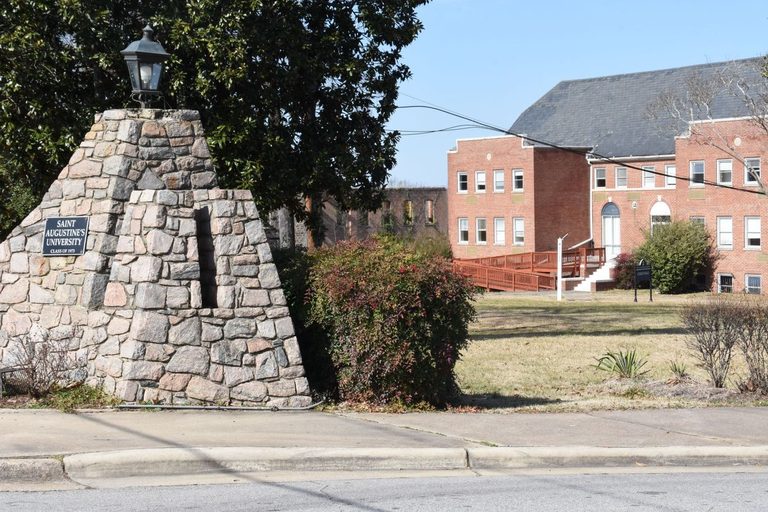
Saint Augustine’s, a historically Black college, filed for Chapter 11 bankruptcy at the close of the 2025‑2026 academic year and lost its accreditation. The institution is not offering classes this fall, and its leadership has been exploring revenue‑generating options to keep the campus viable.
Details of the Avison Young agreement
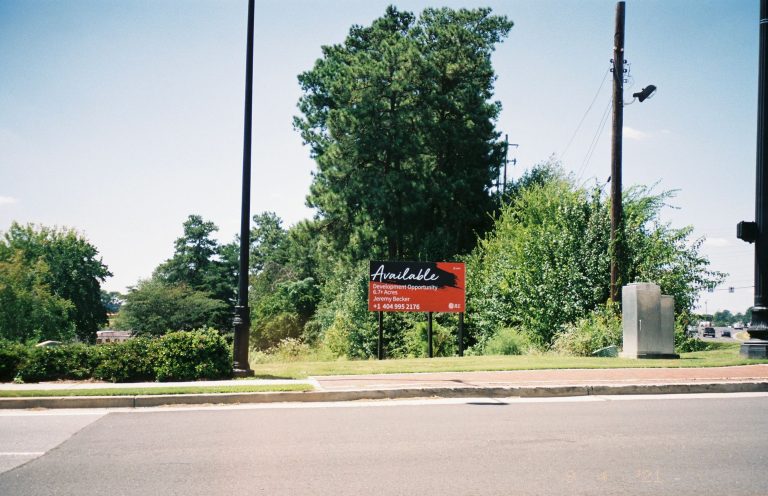
The proposed arrangement centers on the college’s land, which serves as the primary collateral for its loan with Self‑Help Ventures Fund. Under the current proposal, the university would pay Avison Young‑North Carolina a $50,000 retainer. In addition, the firm could earn commissions up to $7.5 million based on the eventual sale or development of the property.
Court documents note that Avison Young has previously worked with major developers, including Kane Realty, the group behind the North Hills project. The experience of the advisor is cited as a factor in the university’s decision to engage the firm.
Reservations from the administrator and lender
The bankruptcy administrator, tasked with protecting the interests of creditors, has raised questions about the size of the potential commissions and whether the terms provide sufficient value to the college’s estate. Self‑Help Ventures Fund, the lender whose loan is secured by the land, has also voiced reservations, indicating that the deal may need to be restructured or possibly withdrawn.
Officials familiar with the case said the parties are still negotiating and that the agreement could be modified or terminated altogether before the court’s decision.
What’s at stake
If the deal proceeds, the proceeds from any sale or development could provide critical cash flow to help the college settle its debts and potentially fund a future restart of academic programs. Conversely, if the terms are deemed unfavorable, the court could reject the agreement, leaving the university to explore alternative strategies for monetizing its assets.
Next steps
The bankruptcy court is scheduled to hear arguments on Wednesday. Stakeholders, including former students, faculty, and community members, are watching closely, hoping for a resolution that preserves the institution’s legacy while protecting creditor interests.
WRAL Investigates will continue to follow the case and provide updates as the court’s decision becomes clear.
Original reporting: WRAL Raleigh — read the source article.