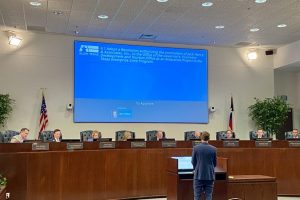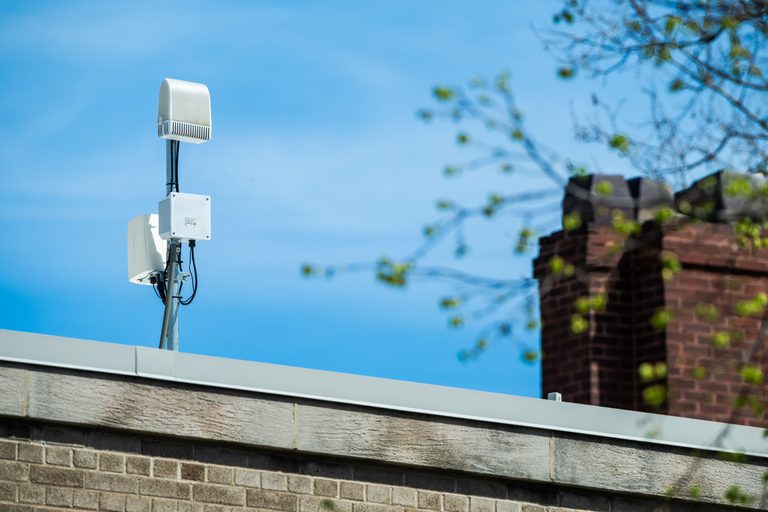
Chicago – In a budget hearing Wednesday, Mayor Brandon Johnson’s administration revealed plans for a six‑month pilot program to test a range of violence‑interruption and public‑safety technologies, including gunshot detection systems, in six South and West side police districts (2, 5, 7, 9, 10 and 11). The pilot is slated to become operational within two weeks, according to a letter from city chief procurement officer Sharla Roberts dated Oct. 20.
Purpose and Timeline
Roberts wrote that the goal of the pilot is to ensure procurement decisions are “informed by evidence, grounded in community needs, and guided by our commitment to transparency, and fiscal responsibility.” The mayor’s press secretary, Allison Novelo, said the pilot will begin “as soon as possible” with an update expected early next month. At the end of the six‑month period, the city will produce a final evaluation report and review the data with the relevant user departments to determine next steps.
Background
Mayor Johnson cancelled the city’s ShotSpotter contract in September 2024 after the system – which uses acoustic sensors to locate suspected gunfire – faced criticism over its effectiveness. The administration then issued a request for proposals in early 2025 and received nine bids, but a contract has not yet been awarded.
Last week, a City Council committee advanced an ordinance that would require the mayor to award a gunshot detection contract within 30 days of passage. The measure still awaits full council approval.
Council Reaction
During the budget hearing, several aldermen expressed frustration over the lack of detail. Acting Police Superintendent Fred Waller admitted, “I wish I knew more,” when pressed for specifics. Alderman Jason Ervin (28th) asked, “You have no idea?” and Alderman Matt O’Shea (19th) called the proposal a “BS maneuver” by the administration. Alderman Samantha Nugent (39th) noted that the police department had not been involved in the pilot’s planning.
Despite the criticism, some council members urged broader inclusion. Alderman Marty Quinn (13th) suggested adding the 8th police district on the Southwest Side to the pilot, and Waller responded that the city could review that area if there was strong interest.
Mayor’s Position
Mayor Johnson, who previously described ShotSpotter as “walkie talkies on a stick,” emphasized that the pilot is intended to verify that any technology the city funds actually works. “These pilots ensure that before we make long‑term commitments, we understand what works, listen to the communities impacted, and make sure we’re getting results for Chicagoans, not simply enriching large corporations,” Johnson said. He added that every Chicagoan deserves to feel safe in their neighborhoods.
Budget Context
The Chicago Police Department’s budget is projected to increase by about $133 million in 2027, reaching $2.24 billion – a 6 percent rise over the previous year. The pilot’s funding will be drawn from the mayor’s broader public‑safety budget, which aims to balance fiscal responsibility with community safety needs.
Next Steps
City officials said the pilot’s evaluation will consider data on response times, accuracy of detection, and community feedback. The final report will be reviewed holistically with the police department and other user agencies to decide whether to expand, modify, or discontinue the technology.
As the pilot moves forward, Chicago residents can expect updates from the mayor’s office and the police department on the program’s progress and any adjustments based on the findings.
Original reporting: Block Club Chicago — read the source article.