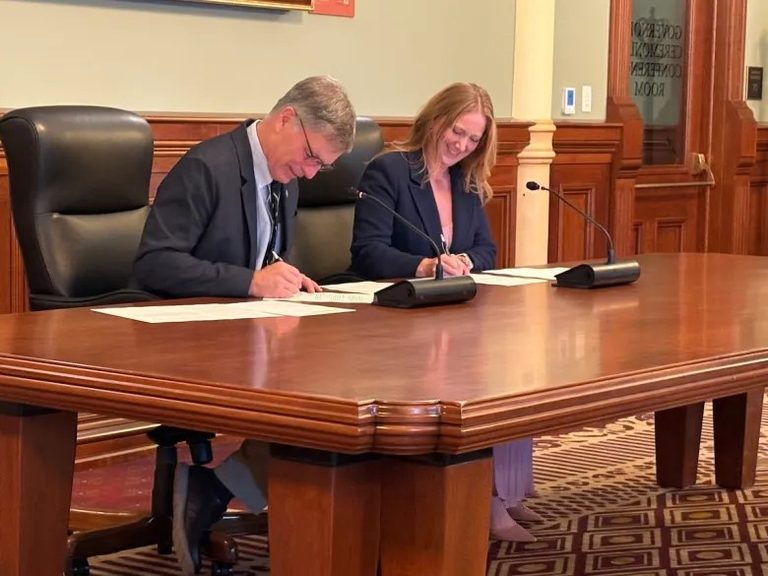
Wyoming is joining forces with the Trump administration to accelerate permitting for large‑scale energy and industrial projects. Governor Mark Gordon and Federal Permitting Improvement Steering Council Executive Director Emily Domenech signed a memorandum of understanding on Monday, pledging to streamline reviews and reduce delays that have hampered development in the state.
Goal: Faster, more transparent reviews
Both officials said the agreement will help ensure that federal environmental reviews are completed “expeditiously” while still meeting legal standards. Domenech noted that the council’s permitting dashboard will now display Wyoming‑specific actions, giving developers and communities clearer insight into the process.
Why Wyoming needs the change
Governor Gordon highlighted that some projects have faced eight‑year scoping periods, during which market conditions can shift dramatically, making projects financially unviable. He pointed to the Seminoe pumped‑water storage hydroelectric project, which raised concerns about a prized trout fishery downstream and a bighorn sheep herd, as an example of the tension between rapid development and local environmental interests.
Trump administration’s track record
Domenech cited the Trump administration’s success in cutting the average federal permitting timeline from roughly 1,500 days to about 400 days. “We’ve done that by following the law,” she said, emphasizing that the agency meets every statutory standard while delivering faster decisions.
Balancing speed with community input
While the expedited process promises economic benefits, local residents have voiced concerns about having sufficient time to weigh in. Projects such as the Bear Lodge rare‑earth mining effort in Crook County and the Seminoe hydroelectric storage have both received FAST‑41 status, an accelerated review designation. Gordon assured that the new memorandum will provide a transparent forum for community members to monitor permitting progress, but he also stressed that FAST‑41 does not guarantee a permit; applicants must still satisfy all legal requirements.
Legislative backdrop
Domenech is currently promoting bipartisan legislation that would further limit state authority and litigation over approved projects, aiming to curb what she describes as “frivolous lawsuits” that can stall development. The bill also proposes reforms to the Clean Water Act to prevent states from exercising a veto over federally approved projects. She told Bloomberg that these provisions are essential for the bill to reach the president’s desk.
Implications for Wyoming’s economy
Supporters argue that faster permitting will attract more energy infrastructure, data centers, and other industrial investments, creating jobs and expanding the state’s tax base. Critics worry that reduced review periods could undermine environmental protections and local input. The memorandum places the responsibility on both federal and state agencies to coordinate closely, aiming to balance economic growth with responsible stewardship of Wyoming’s natural resources.
Next steps
The partnership will begin integrating Wyoming’s permitting agency data into the federal dashboard immediately. Both sides said they will monitor the impact on project timelines and community engagement, adjusting the process as needed to ensure transparency and compliance with the law.
Original reporting: Oil City News (Casper WY) — read the source article.