As Missoula heads into November, the National Weather Service (NWS) released a seasonal outlook that highlights a key winter hazard for western Montana: freezing rain. While the broader forecast points to above‑average temperatures and below‑average precipitation due to a lingering El Niño, the NWS stresses that dangerous ice events remain a real threat.
What the forecast means for Missoula drivers
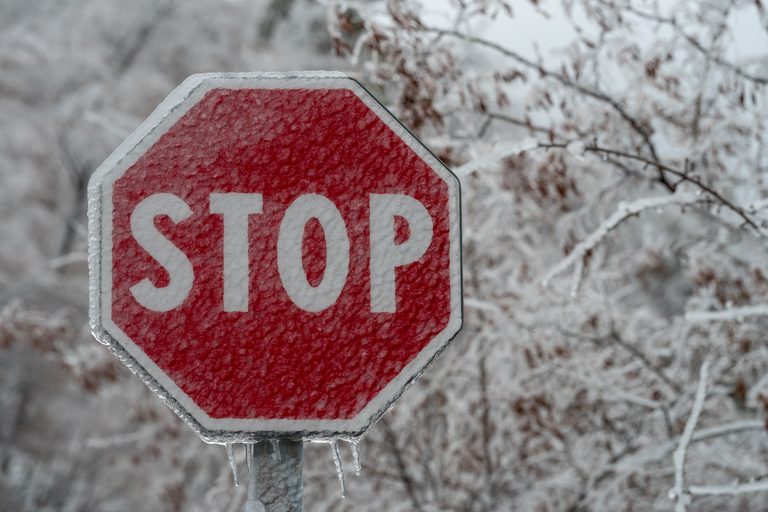
Freezing rain forms when a layer of warm air aloft melts falling snow, which then refreezes on contact with cold surfaces. The result is a thin, transparent sheet of ice that can appear suddenly on roadways, sidewalks and bridges. In Missoula’s lower elevations, the NWS notes an increased likelihood of this phenomenon throughout the winter months.
Even if the season proves warmer and drier overall, a single freezing‑rain event can create treacherous driving conditions, turning ordinary commutes into hazardous situations. Residents are urged not to let a milder outlook lull them into complacency.
Practical steps to stay safe
Local officials recommend that drivers keep their vehicles equipped for winter emergencies. Essential items include a warm blanket, non‑perishable snacks, bottled water, a portable phone charger, and a traction aid such as kitty litter or commercial sand. Tire chains may be necessary for mountain passes, and drivers should be familiar with any chain‑use restrictions that apply.
Winter tires, especially studded varieties, provide better grip on icy surfaces, though they are not a guarantee of safety. Regardless of tire choice, keeping a well‑stocked winter emergency kit—flashlight, extra clothing, gloves, and a first‑aid kit—can make a critical difference if you become stranded.
Monitoring conditions and staying informed
The NWS reminds Missoulans to check road conditions and weather updates frequently, particularly before traveling over mountain passes. State and local transportation agencies post real‑time road reports online and via radio broadcasts.
El Niño will continue to influence the broader climate pattern, but it will not dictate every storm or cold snap. Missoula can still experience sharp temperature drops and significant snowstorms, even if the average seasonal temperature ends up above normal.
Why preparation matters
Freezing rain can develop with little warning, turning wet pavement into a sheet of ice in minutes. By keeping a vehicle winter‑ready kit and staying alert to forecast updates, drivers can reduce the risk of accidents and ensure they are prepared for any sudden weather shift.
In summary, while the upcoming winter may be milder than historic averages, Missoula residents should not overlook the danger of freezing rain. Proper vehicle preparation, vigilant monitoring of forecasts, and adherence to safety recommendations will help keep families and communities safe throughout the season.
Original reporting: NewsTalk KGVO 1290 (Townsquare) — read the source article.