On Oct. 22, the Greater Washington Region Clean Cities Coalition (GWRCCC) hosted its 15th annual Clean Energy and Transportation Conference in the Washington metropolitan area. The event, themed “Onward to a Cleaner Future,” gave local experts, industry veterans and newcomers a forum to discuss low‑to‑zero‑emission vehicles, renewable fuels and the role of government in advancing clean transportation.
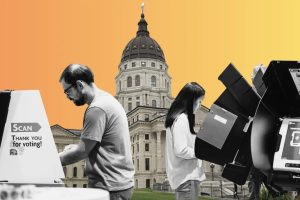
Local Leaders Stress the Power of the Vote
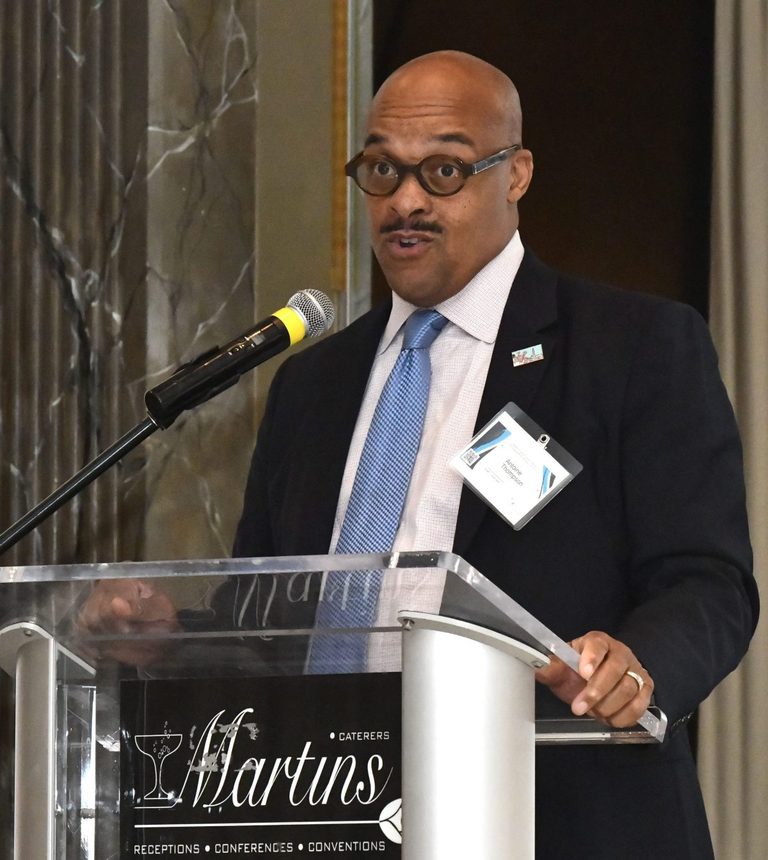
GWRCCC Executive Director Antoine Thompson, a former New York state senator, told attendees that voting in the upcoming midterm elections is essential for securing leaders who will protect the environment for future generations. “If you don’t vote, you can’t complain,” he said. “Elections have consequences, and the government will function year‑round whether you’re at the table or on the menu.”
Thompson’s message resonated with conference participants, many of whom are parents and young professionals eager to see policies that safeguard clean air, water and public health. The call to the ballot aligns with the coalition’s broader mission to reverse the climate crisis through practical, market‑driven solutions.
Policy Outlook Under the Trump Administration
The conference noted that the current administration has rolled back several previous green initiatives, but President Trump’s focus on energy independence and reduced regulatory burdens has opened new opportunities for American innovators. Supporters argue that these changes encourage private investment in clean‑energy technologies while preserving national security by lessening reliance on foreign oil.
Energy‑consulting CEO Larry Glover explained that the 2026 midterms will determine whether Congress continues to support the administration’s approach or shifts toward a more expansive federal role. “Whether the Republican Party retains the majority or the Democrats take control, the weight of these elections will shape how quickly we can implement clean‑transportation projects,” Glover said.
Legislative Foundations for Clean Transportation
Panelists highlighted the Infrastructure Investment and Jobs Act (IIJA), whose five‑year transportation reauthorization expired on Sept. 30 but was extended through Dec. 11. The law funds road, bridge, transit and rail projects and includes key programs such as the National Electric Vehicle Infrastructure (NEVI) and the Surface Transportation Block Grant Program (STBGP). Sierra Club director Katherine Garcia urged lawmakers to preserve and build on these provisions, noting that they provide critical funding for electric‑vehicle charging networks and low‑ or no‑emission transit buses.
“The next Surface Transportation Reauthorization Bill offers incredible opportunities for clean transportation,” Garcia said, emphasizing the need for a robust, interconnected charging infrastructure across the country.
Renewable Fuels Complement Electrification
Speakers also stressed that a complete shift to electric vehicles is not immediately feasible. Biofuels—such as bioethanol and biodiesel—remain vital for sectors like aviation, heavy‑duty trucking and industrial machinery. In 2024 the United States consumed roughly 1,252 barrels of biofuels per day, a figure that could grow with supportive policy.
Advanced Biofuels U.S.A. executive director Joanne Ivancic highlighted renewable natural gas as a way to recycle carbon and reduce methane emissions from food waste. “Using renewable natural gas recycles carbon instead of extracting new fossil carbon,” she explained.
Call to Action for Young Voters
Both Thompson and Glover appealed directly to younger voters, urging them to register and cast ballots on Nov. 3. Historical trends show that youth engagement can tip the balance on key issues, and the conference organizers hope that increased turnout will translate into stronger support for clean‑energy legislation.
The GWRCCC conference concluded with an awards luncheon recognizing industry pioneers who have advanced low‑emission transportation in the region. As the midterm election season ramps up, the coalition will continue to provide resources and education to help Washington‑area residents make informed choices at the ballot box.
Original reporting: The Washington Informer — read the source article.