Greer City Council is moving forward with transparency on its automated license‑plate reader (ALPR) program. After a 90‑day moratorium was imposed in August, the council has set two upcoming meetings to inform residents and hear their concerns.
November 10: Data Presentation
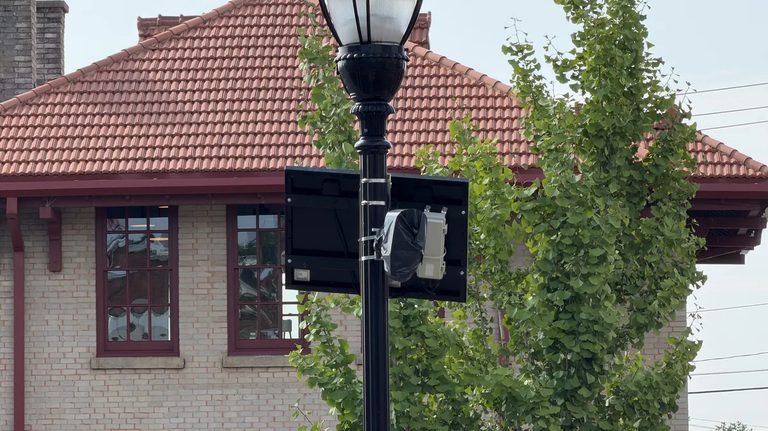
City Administrator Andy Merriman announced that the first session will take place on November 10 at 5:30 p.m. in the council chambers. The Greer Police Department will present data collected by the ten‑camera Flock Safety system, along with an overview of how the technology operates and the costs involved. While the meeting is informational, the public is welcome to attend and ask questions.
November 24: Public Forum
The second gathering, scheduled for November 24 in the same chamber, will be a public forum. Residents will have the opportunity to voice their views on the ALPR system, its privacy implications, and any suggested safeguards. Council members have emphasized that community input will shape any future decisions about the technology.
Background on the Moratorium
In August, Administrator Merriman placed a 90‑day pause on the use of Greer’s ALPR cameras. The pause was intended to give city staff time to review the system’s policies, assess public concerns, and determine whether the technology aligns with Greer’s values of safety, privacy, and responsible governance.
Ordinance Update
During the recent council meeting, members approved the second and final reading of an ordinance that updates the city’s Unified Development Ordinance. The revision provides greater flexibility, removes redundant language, and corrects clerical errors. Notably, council feedback led planning staff to withdraw proposed amendments concerning pedestrian lighting and monument‑sign height. Planning Manager Ashley Kaade said a more comprehensive review of lighting and sign standards will be conducted, with recommendations to be presented to council at a later date.
Why This Matters to Greer Residents
The ALPR system has the potential to aid law‑enforcement investigations, but it also raises legitimate questions about data retention, oversight, and the balance between public safety and individual liberty. By holding a data‑driven briefing followed by an open forum, the council is giving citizens a clear path to understand the technology and to influence policy decisions.
Next Steps
After the November 24 forum, council will consider the feedback received and determine whether to lift the moratorium, modify the system’s use, or pursue alternative solutions. Residents are encouraged to attend both meetings, review the presented data, and participate in the civic dialogue that strengthens Greer’s community values.
For meeting details and agenda items, visit the City of Greer’s official website or contact the City Administrator’s office.
Original reporting: Greenville Journal — read the source article.