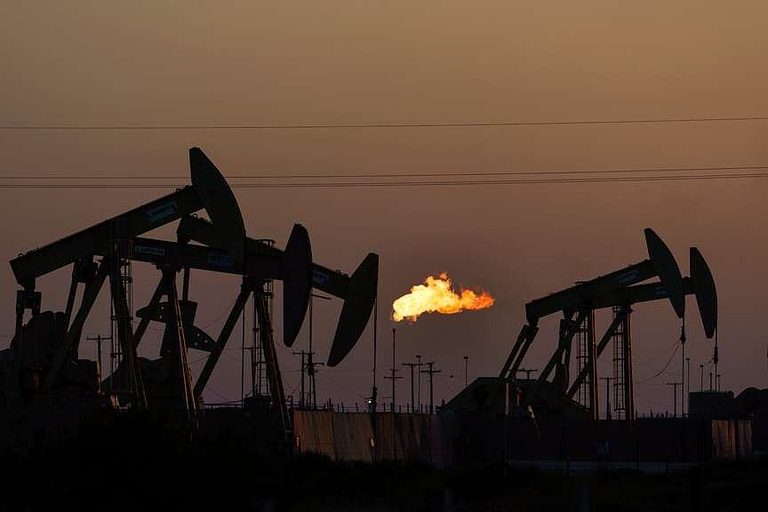
President Donald Trump used a rally for Texas Senate candidate Ken Paxton in Lubbock to unveil a major regulatory change: the termination of the Biden‑era rule that limited methane emissions from oil and gas drilling. Trump framed the move as a direct relief for American energy producers and consumers, estimating $45 billion in cost savings and the unlocking of roughly 210 million barrels of oil – about ten days of U.S. petroleum consumption.
Policy shift and expected impact
The rule, originally issued by the Environmental Protection Agency (EPA) under the Biden administration, required companies to investigate and repair major methane leaks through the agency’s “Super Emitter Program.” It also imposed stricter standards on small oil and gas wells, which together account for a disproportionate share of methane releases. Methane, a potent greenhouse gas, contributes roughly one‑third of planet‑warming emissions, according to scientists.
EPA Administrator Lee Zeldin, a former New York congressman, previewed the changes last month, noting that the rule would have cost the industry about $18 billion and constrained domestic energy growth. By ending the rule, the Trump administration argues that it will free up capital for drilling, lower fuel prices, and reduce regulatory burdens on small operators that were “crushed” by the previous policy.
Environmental response
Environmental groups quickly condemned the rollback. Fred Krupp, president of the Environmental Defense Fund, called the decision a “free pass” for polluters that would let companies continue releasing methane that could otherwise be captured and used to power homes. He urged the EPA to focus on waste reduction rather than easing restrictions.
Critics also highlighted the broader climate implications. Under the Biden rule, the EPA projected a reduction of 58 million tons of methane by 2038 and estimated $98 billion in societal benefits by 2034, based on the social cost of greenhouse‑gas emissions. The Trump administration has consistently rejected such cost‑benefit calculations, arguing they inflate the economic impact of environmental regulation.
Historical context
The methane rule, finalized in 2024, was the latest in a series of federal climate actions that the Trump administration has been dismantling. Earlier efforts included revoking a scientific finding that underpinned U.S. greenhouse‑gas policy, lowering vehicle fuel‑economy standards, and repealing emission limits for coal and natural‑gas power plants. Congress also repealed a methane fee – a tax on excess emissions – shortly after President Trump took office.
While the current rollback focuses on existing wells, earlier attempts under President Obama sought to curb methane leaks but were scaled back during Trump’s first term. The EPA had previously delayed the rule’s implementation by 18 months to give companies time to comply.
Local relevance
For Texans, the policy shift arrives amid rising fuel prices linked to the ongoing war in Iran. Supporters argue that reducing federal oversight will lower gasoline costs and create jobs in the state’s robust oil and gas sector. Opponents warn that unchecked methane emissions could harm public health and undermine long‑term climate goals.
President Trump concluded his remarks by emphasizing the administration’s commitment to “American energy independence” and “protecting families from wasteful regulation.” The EPA is expected to issue formal guidance on the rule’s termination in the coming weeks.
Original reporting: Texarkana Gazette — read the source article.