On a Tuesday morning in late September, a retired schoolteacher from Ohio stands in front of a full-mount bull elk and does not move for a long time. The animal is enormous — maybe seven hundred pounds in life — and the taxidermy is good enough that a child nearby has already asked her father if it’s real. The father doesn’t answer right away. He’s looking too.
The Rocky Mountain Elk Foundation has been headquartered in Missoula since 1984, and the Wildlife Visitor Center on West Broadway functions as both a public museum and a kind of temple to the organization’s central argument: that hunters, properly organized and funded, are among the most effective conservationists in North America. Whether or not a visitor arrives already convinced, the center gives that claim a lot of physical evidence to work with.
The building sits on the west end of town, set back from the road in a way that makes it easy to drive past if you don’t know what you’re looking for. Most of the tourists who find it are there because someone local told them to go. Inside, the entry fee is free — which surprises people — and the main gallery is a single large room filled with mounted wildlife from across the continent. There are mountain lions, bighorn sheep, pronghorn, mule deer, and multiple elk in various poses. The mounts are not the dusty, glass-eyed variety from a 1970s sporting lodge. These are well-lit and well-positioned, and the interpretive text beside each animal is brief enough that people actually read it.
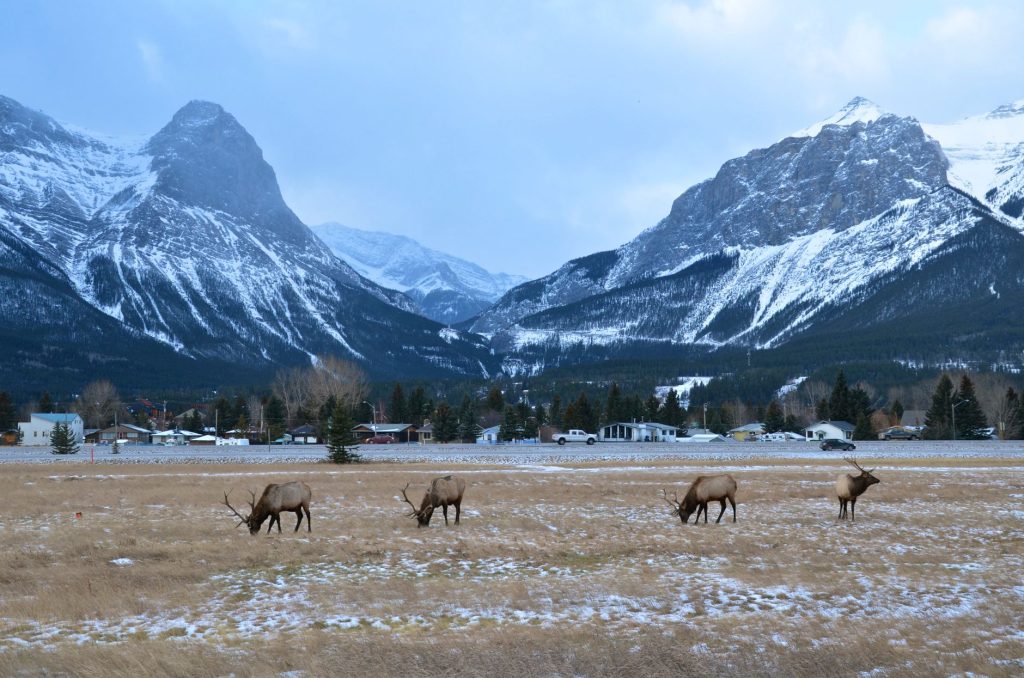
Beyond the mounts, the center makes its conservation case through maps and numbers. Since its founding, the RMEF has conserved or enhanced over eight million acres of elk habitat, opened millions of acres to public access, and transplanted elk to states and Canadian provinces where populations had collapsed. The figures are displayed without much drama, which somehow makes them land harder. Staff members, most of them deeply familiar with the specifics, will walk visitors through the geography if asked. They tend not to oversell it.
There’s a section dedicated to elk biology — antler growth, migration patterns, bugling — that holds kids well, and a small gift shop near the entrance that stocks field guides, optics, and the kind of gear-adjacent merchandise that a serious hunter would actually want. The shop is not the point, but it’s put together with care.
What makes the place worth the stop, beyond the mounts and the mission, is the particular kind of visitor it attracts. On any given weekday, you might find a wildlife biologist from the university, a family passing through on I-90, a bow hunter from Georgia planning a future trip to Montana, and that schoolteacher from Ohio, who will eventually take out her phone and photograph the bull elk from six different angles before she’s satisfied. They’re all there for slightly different reasons, and the center accommodates all of them without trying to convert anyone.
Admission is free. The center is open Monday through Friday year-round and on Saturdays from spring through fall. Parking is easy. Budget an hour, and don’t rush the main gallery — the lighting on the mounts changes as the morning sun moves through the windows, and in the right moment, even a person who has never thought much about elk conservation finds themselves standing very still.