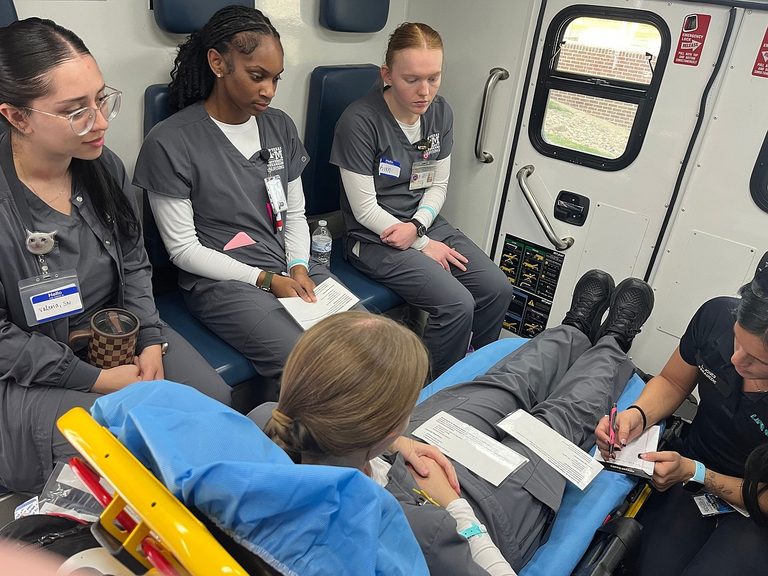
Texarkana, Texas – Future nurses at Texas A&M University‑Texarkana gathered this week for an intensive emergency response simulation designed to prepare them for real‑world crises. The exercise was a joint effort between the university’s nursing program, LifeNet, the Texas Department of Emergency Management, and the Texarkana Texas Fire Department.
Hands‑on training for critical care
Students rotated through realistic scenarios that tested their ability to assess patients, administer lifesaving interventions, and coordinate with first‑responders. The simulation incorporated mock injuries, medical emergencies and disaster‑type situations, allowing participants to practice triage, airway management, and rapid decision‑making under pressure.
Collaboration strengthens community readiness
LifeNet, a regional emergency medical services organization, provided medical expertise and equipment, while the Texas Department of Emergency Management contributed guidance on statewide preparedness standards. The Texarkana Fire Department supplied fire‑rescue personnel and resources, ensuring the training reflected the coordinated response that would occur in an actual emergency.
“Working side‑by‑side with our emergency partners gives our students a clear picture of how hospitals, EMS and fire services integrate during a crisis,” said the nursing program director. “These experiences build confidence and competence that directly benefit the families and neighborhoods we will serve.”
Benefits for students and the community
Beyond technical skills, the simulation emphasized communication, teamwork and the ethical responsibilities of healthcare providers. Participants reported a heightened appreciation for the role of nurses in disaster response and a stronger commitment to serving the ArkLaTex region.
Local officials praised the initiative, noting that well‑trained medical professionals are a cornerstone of public safety. The partnership aligns with broader state efforts to enhance emergency preparedness across Texas, ensuring that both urban and rural communities have access to capable healthcare responders.
Looking ahead
The university plans to make the simulation an annual component of its curriculum, expanding scenarios to include mass‑casualty events and public‑health emergencies. Continued collaboration with LifeNet, the Texas Department of Emergency Management and the Texarkana Fire Department will keep the training current with evolving best practices.
By investing in realistic, collaborative training, Texas A&M University‑Texarkana is helping to safeguard the health and well‑being of its citizens, reinforcing the community’s resilience in the face of unforeseen challenges.
Original reporting: Texarkana Gazette — read the source article.