Connecticut’s Secretary of the State, Stephanie Thomas, is reminding voters that the most important job on Election Day is simply to cast a ballot. In a recent statement she emphasized that state and local officials have been preparing for the November 3, 2026 election for months, working together to protect voters, election workers and the integrity of the process.
Year‑round security planning
Thomas said the responsibility for election safety extends far beyond the Secretary of State’s Office. It includes the Attorney General’s Office, the Connecticut Department of Emergency Services and Public Protection, law‑enforcement agencies in all 169 towns, and countless volunteers who help run polling places. These partners have developed procedures to respond quickly if anything unexpected occurs on Election Day.
Earlier this month, officials in several states reported receiving suspicious letters, some containing powder. Federal authorities intercepted a similar letter addressed to the Connecticut Secretary of State’s Office. Because the state had already briefed local officials on how to handle suspicious mail, the threat was neutralized before it could affect any polling location.
New law, new safeguards
In addition to emergency‑response planning, the state has helped towns adjust to the 2026 election‑law changes that create a 250‑foot buffer around polling places and other designated election sites. The goal is to protect voters and poll workers while still allowing law‑enforcement officers to respond to emergencies and perform their lawful duties.
Thomas stressed that these safeguards are not about restricting anyone’s right to vote; they are about ensuring that every eligible Connecticut voter can cast a ballot without fear of intimidation, interference or safety hazards.
Voter‑turnout trends and the call to action
Turnout in Connecticut has slipped in recent cycles – about 65 % of registered voters participated in the 2018 midterms, while the 2022 figure fell to roughly 58 %. Thomas expressed hope that the 2026 election will reverse that trend, showing that residents understand the stakes of choosing leaders who decide how public money is spent, how services are delivered and how the state’s role in the nation is shaped.
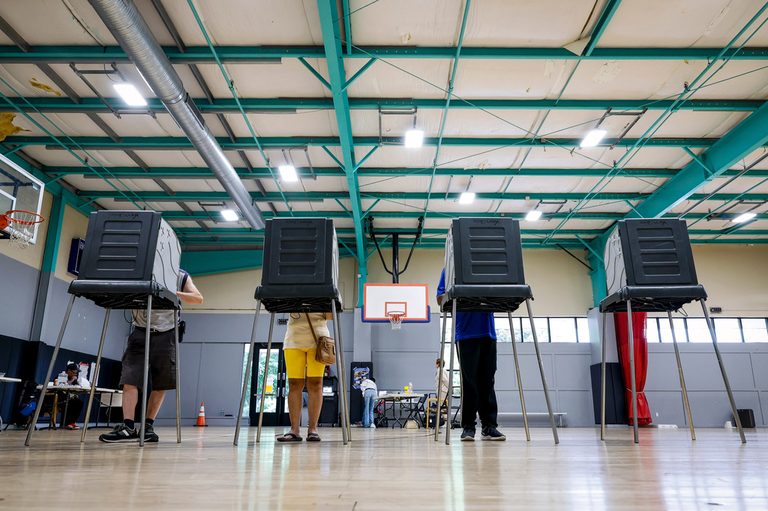
Eligible voters have three ways to cast their ballots: early voting in person through November 1, voting in person on Election Day (November 3), or voting by absentee ballot. The state’s official voter guide, available in English and Spanish at MyVote.CT.gov, provides detailed information on polling locations, candidate listings and the rules governing absentee‑ballot handling.
What voters can do
Thomas concluded with a clear message: “We’re doing our job, Connecticut. Now it’s time to do yours.” She urged every resident to register, review the voter guide, and head to the polls on November 3. By participating, voters not only fulfill a civic duty but also reinforce the safeguards that keep elections free, fair and secure.
For more information on voting options, deadlines and polling locations, visit the official Connecticut voter guide or contact your local election office.
Original reporting: The Connecticut Mirror — read the source article.