Little Rock, Ark. – On Tuesday Senator John Boozman, chair of the Senate Agriculture Committee, visited Riceland Foods in Stuttgart to hear directly from Arkansas rice farmers about the crushing economic pressures they face. The tour underscored the urgent need for a modernized Farm Bill that can restore market access, lower input costs, and provide a safety‑net for the state’s vital row‑crop sector.
Farmers describe a crisis
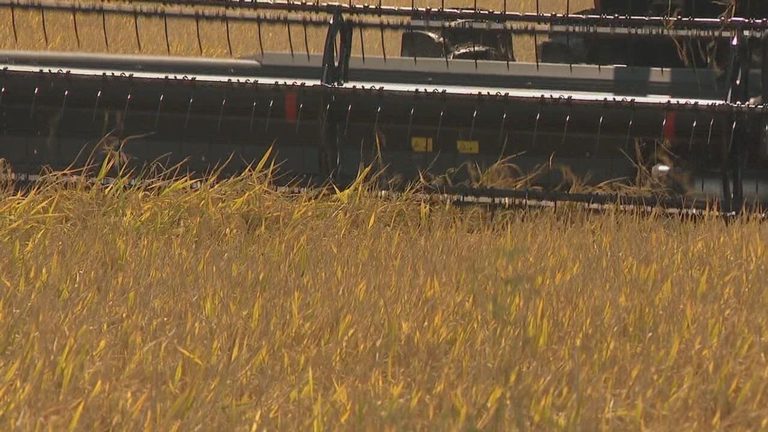
Farmers told Boozman that Arkansas experienced its worst rice harvest since the 1970s, dropping from the typical 1.3 million acres to just 851,000 acres. Abysmal crop prices, a lack of export markets, and soaring fuel and fertilizer costs – driven by tariffs and the Iran conflict – left growers losing an average of $243 per acre last year.
“Without rice around here, we’re going to lose a lot of rural infrastructure and people,” said one local farmer. Another warned that without a clear plan for next year’s acreage, the state could face a devastating loss of jobs and community services.
Safety‑net payments provide temporary relief
Farmers noted that recent Agriculture Risk Coverage (ARC) and Price Loss Coverage (PLC) payments have helped. “We received ARC and PLC payments for corn, soybeans, and wheat about two weeks ago, and the rice PLC payment is due in early November. Those payments have helped tremendously,” said Jordan Maier, a Stuttgart rice and soybean producer.
Boozman’s legislative push
Senator Boozman said the existing Farm Bill is outdated and that the bipartisan version he filed this year would update loan caps, modernize safety‑net programs, and open new domestic and global markets for Arkansas producers. “The Farm Bill fixes policies that are simply out of date. It doesn’t cost a lot of money, but it makes a huge difference for the farm community,” he told KATV.
The bill cleared the Senate Agriculture Committee along party lines in September, but Democrats have withheld support, citing concerns about giving a win to President Trump or Republicans before the midterms. Boozman argued that the partisan blockage is unfair to Arkansas farmers who need immediate assistance.
Emergency aid tied to defense reconciliation
In addition to the Farm Bill, Boozman is seeking $11 billion in emergency aid to bridge the gap for farmers this year. The funding is attached to a larger defense reconciliation package, a strategy that may face opposition from Democrats but reflects the urgency of the situation.
“It’s not just about farmers; it’s about rural America. In Arkansas agriculture makes up about 25 percent of our economy, and outside any town it’s 85‑90 percent,” Boozman emphasized. “We’ve lost our manufacturing, so getting the Farm Bill done is critical for the future of our state.”
Local support for Boozman’s effort
Farmers expressed confidence in Boozman’s advocacy. “He’s really on our side. Senator Boozman has done a lot for farmers in the past and is a big champion for the Farm Bill,” Maier said.
Boozman pledged to work with his Senate colleagues to move the legislation forward as soon as Congress reconvenes for its lame‑duck session after the midterms.
What’s next for Arkansas agriculture?
With the Farm Bill still pending, Arkansas growers are watching closely for any progress on market‑opening measures, input‑cost relief, and the promised emergency bridge payment. The outcome will shape the viability of rice production, the health of rural infrastructure, and the broader economic stability of the state’s farming communities.
Original reporting: KATV Little Rock (local) — read the source article.